


Whatnot is one of the rare shopping apps that is easier to understand after you watch it than after you read a definition. On paper, it is a live shopping marketplace. In practice, it feels like a mashup of an auction house, a collector convention, a social stream, and a very fast-moving flea market. Sellers go live, show items on camera, run auctions, offer Buy It Now listings, launch flash sales, host giveaways, and build audiences around specific niches. Buyers do not simply search and checkout. They watch, chat, bid, follow sellers, wait for drops, and sometimes buy because the moment feels exciting enough to pull them in.
This Whatnot review is written for people who are curious but cautious. The app is genuinely fun. It can also be expensive if you treat it like entertainment without a budget. The app works best for buyers who enjoy collectibles, fashion, sneakers, sports cards, trading card games, comics, coins, vintage goods, and other category communities where trust and timing matter. It is less ideal for anyone who wants the calmest possible shopping experience. If eBay is a searchable database and Amazon is a delivery machine, Whatnot is a room full of people yelling about the item in front of them. That energy is the product.
Ready to try it?
See the latest details on the official website.
Opens in a new tab.
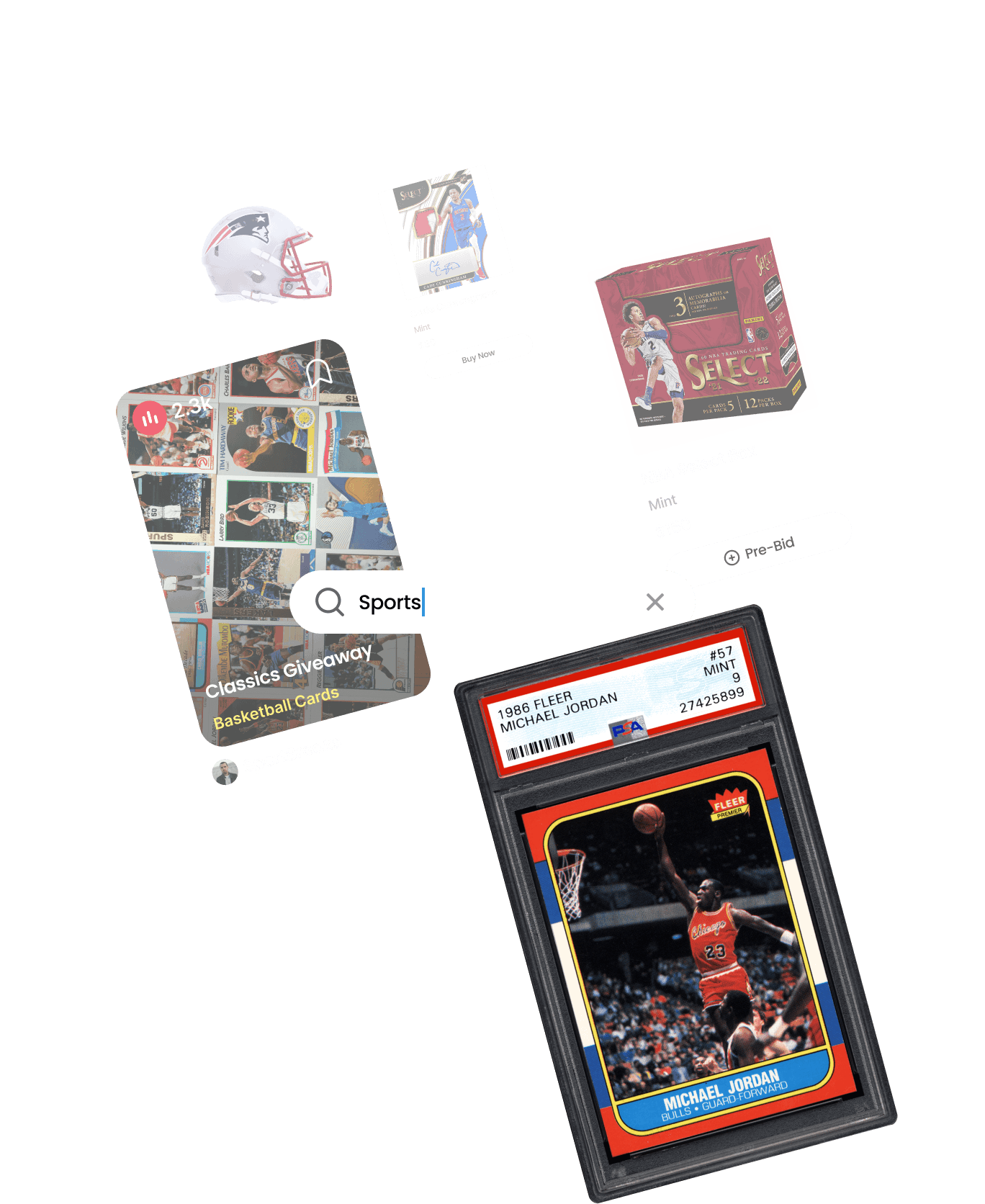
What Whatnot Does Differently
The most important difference is that The platform makes shopping feel live. A listing on a normal marketplace waits for you. A Whatnot auction moves whether you are ready or not. Sellers can run standard auctions, sudden-death auctions, Buy It Now items, flash sales, giveaways, and card breaks. Whatnot’s own buying guide explains that auctions are the most common live-show format, while Buy It Now products can appear during shows or outside them. In card categories, breaks let buyers purchase spots tied to boxes, cases, packs, teams, characters, or draft positions. That structure makes Whatnot feel less like browsing inventory and more like joining an event.
That event format creates both the magic and the danger. The magic is discovery. You can wander into a comic stream, a sneaker show, a vintage toy seller, a coin auction, a clothing closet, or a trading card break and immediately feel the rhythm of a tiny community. The danger is speed. When a countdown is running and chat is moving, your decision-making changes. A $12 bid can become a $28 bid before you have compared prices elsewhere. A flash sale can feel like a deal because the timer is short. A giveaway can keep you in a stream longer than you planned. Whatnot is not tricking people by being live, but the live format rewards discipline.
The Buyer Experience
As a buyer, the best part of Whatnot is that you get more context than a static product photo can provide. You can ask questions in chat. You can watch the seller handle the item. You can see condition, packaging, scale, and sometimes flaws in real time. For collectibles and vintage goods, that matters. A seller who knows the category can explain why a card corner matters, why a sneaker box affects value, why a comic grade is uncertain, or why one coin is more desirable than another. In a good stream, the host becomes part salesperson, part educator, part entertainer.
The weaker side of the buyer experience is that information can still be incomplete. A live camera is not the same as a professional inspection. Lighting can hide issues. Sellers move fast. Chat can distract everyone. Bids happen under pressure. If you are buying high-value items, you should still verify comps, watch the video receipt when available, read listing details, and avoid assuming that a charismatic seller equals a perfect seller. Whatnot gives buyers more human context than many marketplaces, but the buyer still has to be careful.
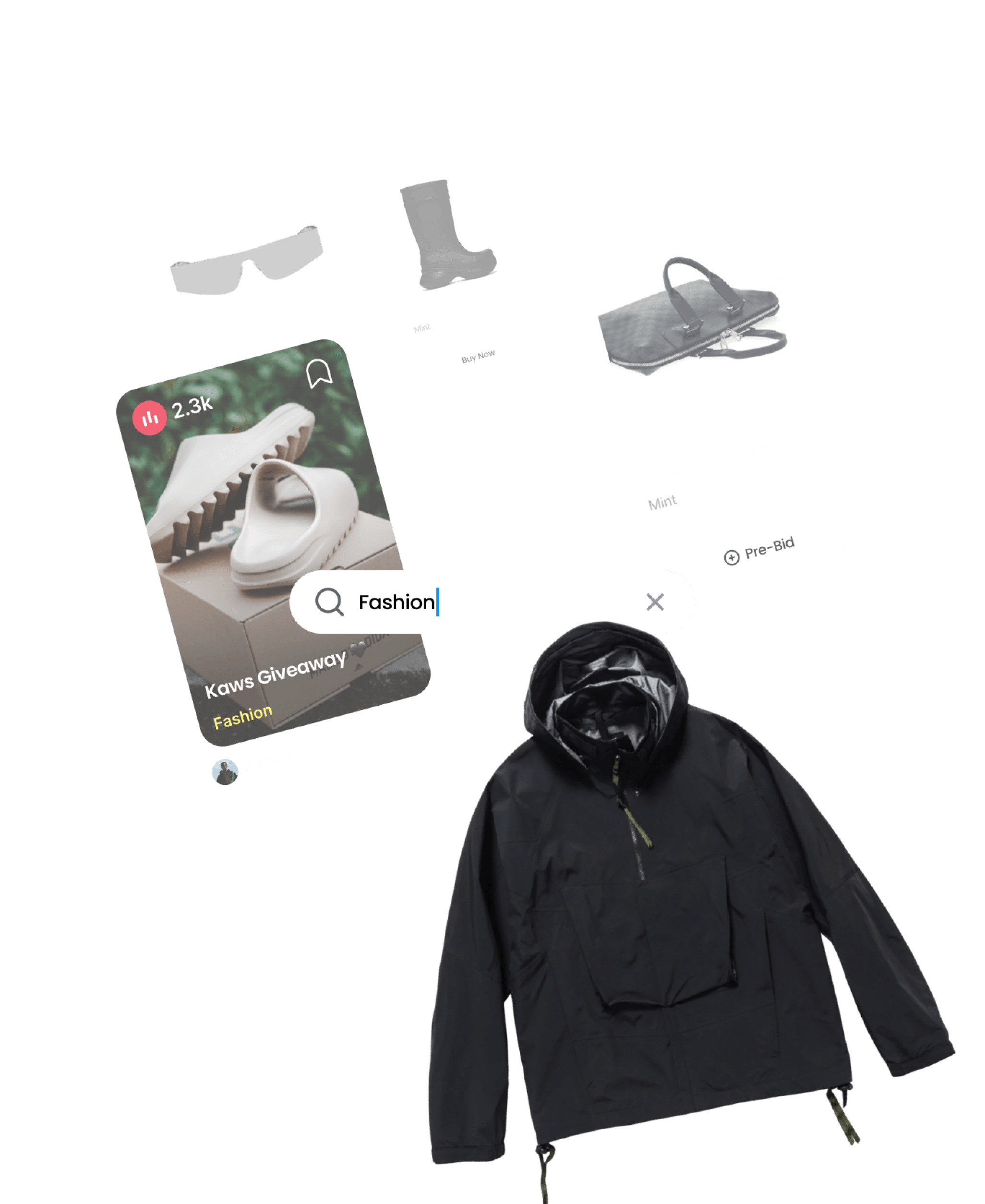
Shipping and Delivery
Shipping is one of the biggest places where Whatnot can feel different from ordinary ecommerce. For U.S.-based sellers, Whatnot says orders ship through USPS and the platform automatically chooses the most cost-effective service based on product type, category, weight, and shipment size. That automation can be convenient, but it also means buyers may not always feel fully in control of shipping cost. If you buy several items from one seller, bundling can help, but shipping charges can still vary depending on weight, distance, taxes, and how the seller prepared the shipment.
In real use, shipping quality depends heavily on sellers. Some sellers pack like professionals. Others pack adequately. A few pack carelessly. Whatnot’s policies can help when something goes wrong, but good buyers still protect themselves by choosing sellers with a track record, reading show notes, watching how items are handled, and keeping expectations realistic. A low-priced single card or tiny collectible may feel less exciting once shipping is added. The app is most economical when you buy intentionally, bundle where appropriate, and avoid chasing every small impulse purchase from separate sellers.
Buyer Protection: Helpful, But Not Unlimited
Whatnot’s buyer protection is a serious part of the platform’s value proposition. The official policy covers issues such as missing or incorrect items, items that are not as described, damaged or defective products, suspected counterfeit items, and packages that are lost, delayed, misdelivered, or not received after being marked delivered. The key detail is timing. Most buyers must submit a request by the earlier of 30 days from purchase or 14 days from delivery. Some categories have shorter windows, including coins and money, sports cards, sneakers and streetwear, trading card games, and luxury goods, where the delivery window is shorter. Plants and specialty food are shorter still.
That protection makes Whatnot feel safer than buying from a random livestreamer off-platform. Still, it is not a blank check. Buyer’s remorse is not the same as an eligible problem. Tips are not refundable. Certain consumable products, including breaks, have narrower refund eligibility. Returning an item in a changed condition can hurt your claim. Off-platform transactions are not covered. In other words, buyer protection is a backstop, not a strategy. The best strategy is still to buy from reputable sellers, inspect the stream carefully, save order details, and report real issues quickly.
Where Whatnot Shines
- Collectors who enjoy live discovery will probably understand the appeal within minutes.
- Sellers with personality can make ordinary inventory feel more interesting than it would in a static listing.
- Niche categories benefit from real-time explanation, especially when condition, rarity, provenance, or community trust matters.
- The platform is unusually good for browsing when you do not know exactly what you want, because the show format creates discovery.
- Giveaways, flash sales, and live chat make the marketplace feel alive, which is something most ecommerce sites never achieve.
Where Whatnot Can Frustrate You
The same features that make Whatnot exciting can also make it exhausting. Streams move quickly. Notifications can pull you back in. Auctions can encourage you to bid a little higher because losing feels personal in the moment. Shipping can make small purchases less attractive. Seller quality varies. App glitches, lag, or delayed bids can be especially frustrating in fast auctions. And because categories are community-driven, the best experience often depends on finding trustworthy sellers rather than simply searching for a product.
There is also an emotional spending issue. Live shopping turns buying into entertainment, and entertainment spending needs limits. A buyer who opens Whatnot with a clear budget can have a great time. A buyer who opens it late at night, bored, with saved payment details and no price discipline may wake up to a list of orders they barely remember. This is not unique to Whatnot, but Whatnot’s format makes the risk more visible. The app is fun enough that you should treat fun as part of the cost.
How I Would Use Whatnot Safely
The smartest way to use the app is to start as a viewer. Watch several shows in your category without buying. Learn the language. Notice which sellers answer questions, show condition clearly, and ship consistently. Compare sold prices on other marketplaces before bidding on expensive items. Use custom maximum bids rather than emotional swipes. Keep a monthly budget. Turn off notifications for sellers who tempt you into categories you do not actually collect. For card breaks or mystery-style formats, decide in advance whether you are paying for entertainment or expected value, because those are not the same thing.
I would also be careful with high-value purchases until I had built trust with a seller. Whatnot can be excellent for small collectibles, mid-range fashion, hobby items, and community-driven categories. For expensive luxury goods, rare sneakers, high-value cards, or coins, I would slow down. Read policies, understand return windows, save screenshots or video receipt details, and never move the transaction off Whatnot. The platform’s protection only matters if the purchase remains inside the platform.
Final Verdict
Whatnot is worth trying if you like the social side of shopping and you are disciplined enough to handle live auctions. It is not the calmest marketplace, and it is not always the cheapest. Its value is the experience: real sellers, real-time discovery, category communities, and the thrill of auctions that feel alive. For collectors and hobby shoppers, that can be genuinely addictive in the best and worst senses of the word.
My verdict is positive, but conditional. Whatnot is one of the most interesting shopping platforms online right now, especially for collectibles and niche categories. It is also a platform where smart habits matter. Watch before buying, set limits, choose sellers carefully, understand shipping, and use buyer protection only when something actually goes wrong. If you do that, Whatnot can be more than a marketplace. It can be a surprisingly entertaining way to shop.
Ready to try it?
See the latest details on the official website.
Opens in a new tab.
How I Would Score Whatnot
If I were scoring Whatnot as a marketplace, I would not use a single star rating. The experience is too uneven for that. Discovery is excellent because live shows constantly expose you to sellers and categories you would never search for directly. Entertainment value is also high, especially if you enjoy auctions, collectibles, or personalities. The community layer is stronger than most marketplaces because regular buyers and sellers actually recognize each other. Those are the areas where Whatnot feels ahead of traditional resale sites.
The weaker scores would be predictability and restraint. Predictability suffers because sellers vary widely in presentation, packing, shipping speed, condition grading, and category knowledge. Restraint is a buyer problem, not only a platform problem, but the interface definitely makes quick buying feel easy. I would give Whatnot high marks for discovery, community, and energy; medium marks for shipping transparency and seller consistency; and a caution label for impulse spending. That mixed score is exactly why the app is interesting. It is not boring enough to be harmless.
The Best First Week Plan
A new user should spend the first week building a watchlist rather than an order history. Follow sellers in categories you actually care about. Watch how they describe flaws. Notice whether they rush the camera past expensive items. Read chat reactions. Compare auction results with completed sales elsewhere. Enter a giveaway if you want, but do not let the giveaway keep you in a stream that makes you spend. By the end of a week, you should know which categories feel fun, which sellers feel trustworthy, and what a normal price looks like.
After that, place one or two low-stakes orders. Treat them as seller tests. Did the package ship promptly? Was the item packed correctly? Did the condition match what you saw? Did shipping cost make sense? Was the experience good enough that you would buy again? This slow approach may sound less exciting than diving into a live auction, but it protects the part of Whatnot that is actually valuable: long-term access to sellers you trust.
Bottom-Line Buying Rules
- Never decide your maximum bid after the auction starts.
- Assume shipping and taxes are part of the item price, not an afterthought.
- Use Whatnot for discovery, but verify prices elsewhere for expensive items.
- Keep purchases on-platform so buyer protection still applies.
- If a stream makes you feel rushed, leave and come back later.
More Whatnot Reviews on Tgtbuy
- How I Fell Down the Whatnot Rabbit Hole
- Whatnot Buyer Review: The Live Auction Experience
- Whatnot Seller Review: Is It Worth Selling?
- Whatnot vs eBay and Mercari: Where Live Shopping Wins
- Whatnot Shipping Review: Costs, Bundling & Delivery
- Whatnot Safety Review: Scams & Buyer Protection
- Whatnot Sneakers, Fashion & Luxury Review
- Whatnot Cards & Breaks Review: Pokémon & Sports
- Whatnot 30-Day Review: What I Loved & What Annoyed Me
- Is Whatnot Legit? A First-Time Buyer Review