


The question “Is Whatnot safe?” has two different meanings. One is whether the platform has policies, payment systems, buyer protection, and enforcement tools. The other is whether a buyer can avoid bad decisions in a fast, social, auction-driven environment. The first answer is mostly yes: Whatnot is a real marketplace with structured support and published buyer protection. The second answer depends on the buyer. Live shopping can be safe, but it requires more discipline than ordinary browsing.
This Whatnot safety review looks at scams, counterfeits, buyer protection, seller trust, category risk, and the habits that make the app safer. The goal is not to scare people away. Whatnot can be a strong platform, especially compared with sending money to a random livestream seller outside a marketplace. But the app is built around speed and excitement, and speed is where many marketplace mistakes happen. A safe Whatnot user learns to slow the decision down even while the auction moves quickly.
Ready to try it?
See the latest details on the official website.
Opens in a new tab.
Platform Protection
Whatnot’s Buyer Protection Policy covers several serious issues: missing or incorrect items, products that arrive damaged or defective, counterfeit or fake items, items that do not match the condition description, and packages that are lost, delayed, misdelivered, not shipped, or not received after being marked delivered. That matters. It means buyers are not simply relying on a seller’s goodwill if something goes wrong. There is a formal path for eligible issues.
The policy also has deadlines and exclusions. Most claims must be submitted by the earlier of 30 days from purchase or 14 days from delivery. Several higher-risk categories have shorter delivery-based timelines, including coins and money, sports cards, sneakers and streetwear, trading card games, and luxury goods. Plants and fresh food have even shorter timelines. Tips, buyer’s remorse, off-platform transactions, and certain consumable or opened products are not covered in the same way. Safety begins with knowing those limits before you need them.
Counterfeit Risk
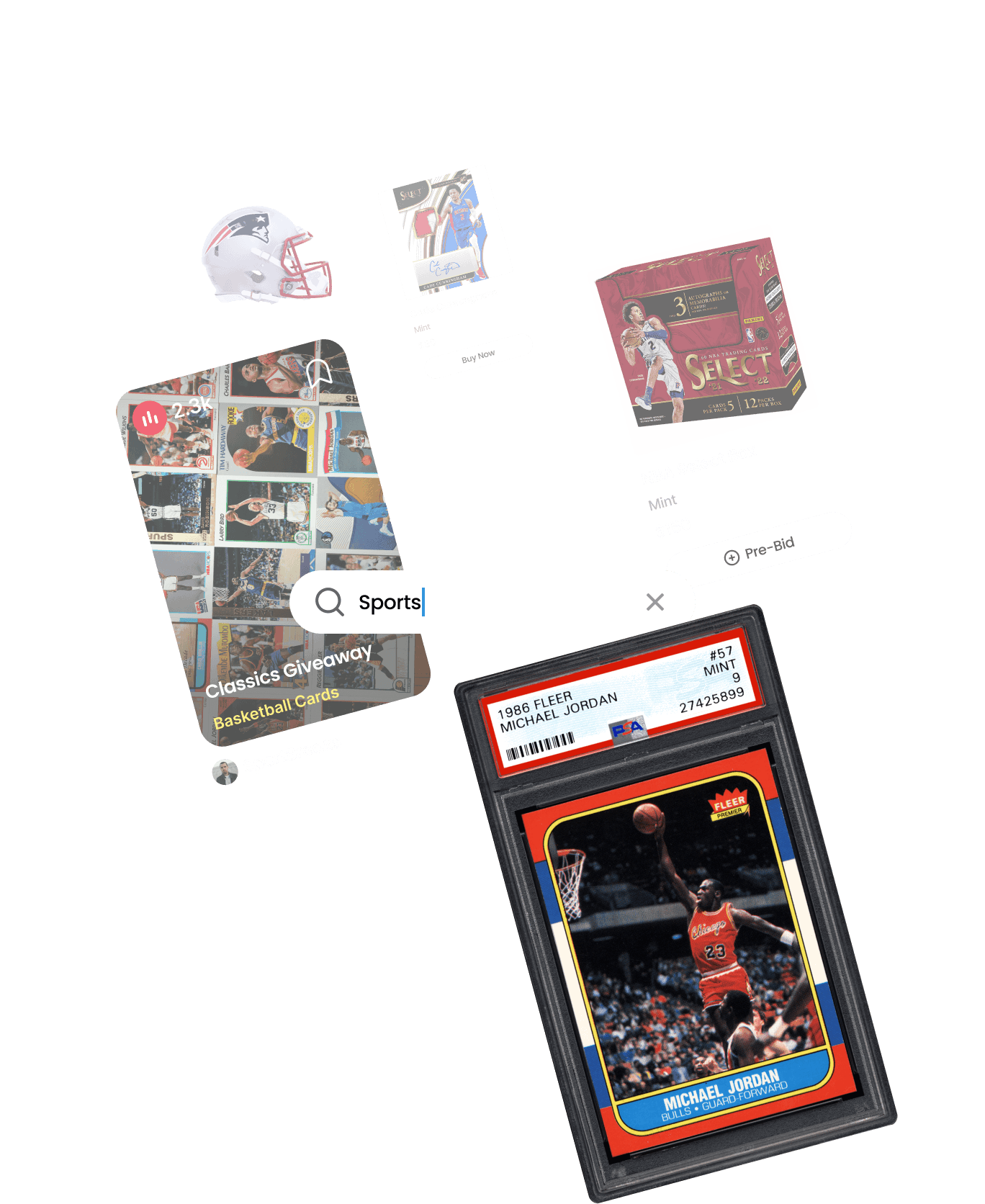
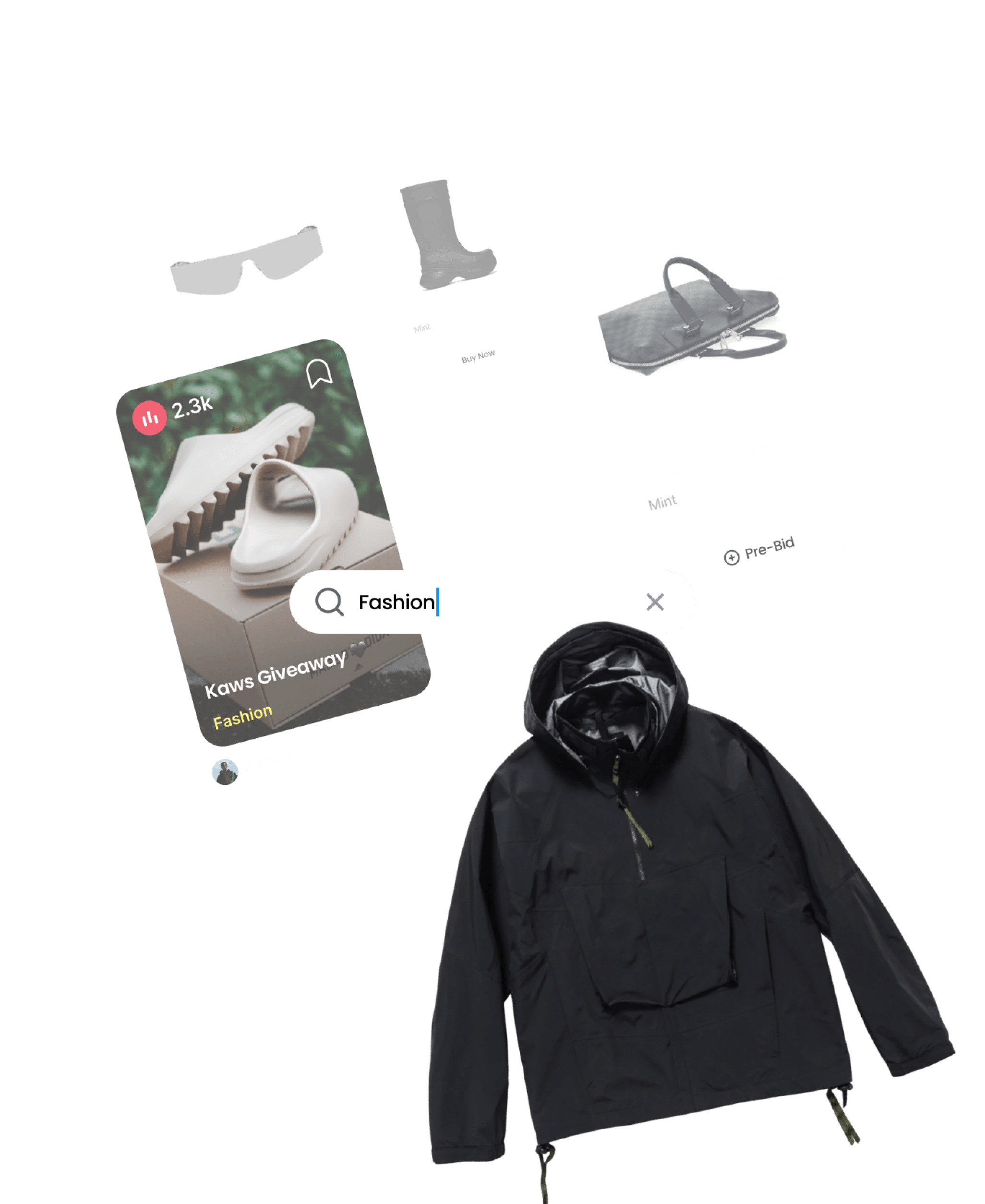
Counterfeit risk exists anywhere valuable branded or collectible goods are resold. Whatnot’s policies prohibit counterfeit items and place responsibility on sellers to ensure authenticity, but a policy does not eliminate risk by itself. Buyers in sneakers, streetwear, luxury bags, jewelry, watches, trading cards, coins, and high-value collectibles should behave as if verification matters. Ask questions. Watch condition closely. Look for proof where appropriate. Buy from sellers with category history. Avoid being rushed into expensive purchases because chat is excited.
The safest mindset is “trust, but verify.” A seller may be honest and still make mistakes. A stream may be entertaining and still show an item too quickly. A low price may be a deal or a warning sign. If you do not know how to evaluate authenticity in a category, start small or buy from sellers with stronger reputations. Whatnot can help after a counterfeit claim, but preventing the purchase is always easier than fighting about it later.
Seller Quality Varies
A marketplace is only as good as its sellers. Whatnot has excellent sellers, average sellers, and sellers you should avoid. The live format can help you judge them. Good sellers show flaws, answer questions, explain rules, avoid wild claims, and ship professionally. Weak sellers rush, dodge questions, blame buyers, overhype ordinary items, or run confusing formats. Watch before buying. The seller’s behavior during a low-stakes stream tells you a lot about what might happen after a high-stakes order.
Pay attention to chat, but do not let chat think for you. Regulars can be a good sign, but some communities normalize aggressive bidding or hype. Reviews can help, but a live sample helps too. If a seller is handling expensive items carelessly, struggling to explain condition, or creating pressure around unclear rules, leave. You do not owe a stream your money just because you watched for twenty minutes.
Auction Pressure and Overspending
Safety is not only about scams. It is also about spending control. Whatnot makes buying exciting, and excitement can distort value. A countdown timer makes a decision feel urgent. A public chat makes bidding feel social. A seller’s encouragement can make you feel part of the show. These are not necessarily abusive features, but they are powerful. Buyers who struggle with impulse purchases should treat Whatnot with caution.
Set rules before opening the app. Decide a monthly budget. Decide category limits. Turn off notifications for streams that lead to unplanned purchases. Use maximum bids based on market research, not emotion. Do not bid after drinking, when tired, or when you are bored and looking for stimulation. Whatnot is fun enough to become a habit. Make sure the habit is one you can afford.
Card Break and Mystery Format Safety
Breaks, blind boxes, surprise sets, and similar formats deserve extra care because the outcome may be uncertain. Whatnot’s buyer protection policy treats some consumed or opened products differently, and breaks are generally only eligible for certain issues such as missing, delayed, incorrect, or damaged items. That means disappointment with the result is not the same as a platform problem. If you buy into a break, you should understand the rules before the product is opened.
The safest way to approach these formats is to separate entertainment value from expected value. If you pay for a break spot because you enjoy the live opening and accept the risk, that is one kind of purchase. If you believe you are making a rational investment, you need a much deeper understanding of odds, spot pricing, product value, and seller trust. Many bad experiences begin when a buyer confuses those two mindsets.
Safety Checklist
- Keep every transaction on Whatnot; do not move payment or refunds off-platform.
- Inspect items as soon as they arrive and file eligible issues quickly.
- Compare prices elsewhere before bidding on expensive items.
- Avoid sellers who rush condition checks or refuse direct questions.
- Understand break, mystery, and giveaway rules before participating.
- Treat authentication-sensitive categories as research projects, not impulse buys.
When to Walk Away
Walk away if the seller cannot explain what is being sold. Walk away if the camera never settles on condition. Walk away if a high-value item appears with no provenance, no clear photos, and heavy pressure. Walk away if chat is pushing you to bid beyond your number. Walk away if the seller suggests handling payment somewhere else. Walk away if you feel embarrassed to stop bidding. The ability to leave is the strongest safety tool you have.
This may sound strict, but it makes the app more enjoyable. When you know you can leave any stream at any time, you stop treating every auction as a test of willpower. You become a better buyer. You save money for sellers you trust and items you truly want. Whatnot becomes less chaotic when you stop letting the room set your pace.
Final Verdict
Whatnot is legitimate, but it is not risk-free. The platform has real buyer protection, seller policies, support flows, and marketplace infrastructure. That makes it much safer than informal social-media selling. But live commerce adds speed, social pressure, and category-specific risks that buyers must manage themselves. The safest users are not paranoid. They are prepared.
My safety verdict is cautiously positive. Use Whatnot inside the rules, keep transactions on-platform, choose sellers carefully, verify expensive items, inspect packages quickly, and control your budget. If you do those things, Whatnot can be a safe and entertaining marketplace. If you ignore them, the app can become expensive and stressful very quickly.
Ready to try it?
See the latest details on the official website.
Opens in a new tab.
High-Value Purchases Need a Different Standard
A $12 collectible and a $1,200 luxury item should not receive the same level of scrutiny. For low-cost purchases, a buyer may accept some imperfection and treat the order as entertainment. For high-value purchases, slow down. Ask for condition details. Watch the video carefully. Understand the seller’s category history. Know the refund window. Save order information. Compare the item with external market data. If authentication matters, decide what proof would satisfy you before the auction begins.
This is not distrust for its own sake. It is proportional caution. Whatnot can be a good place to buy expensive items from sellers who know what they are doing, but the buyer has to behave like the price is real. The excitement of a stream should not lower your standard of evidence. If anything, it should raise it because live auctions compress decision time.
What a Trustworthy Stream Feels Like
A trustworthy stream usually has a calm clarity to it. The seller names the item, explains the condition, shows relevant angles, answers questions without defensiveness, and repeats important rules. They do not hide behind speed. They do not shame buyers for asking normal questions. They correct mistakes in public. They treat expensive items with care. They understand that transparency increases bids because buyers feel safer. This kind of seller may not always be the loudest, but they are often the ones worth following.
A risky stream feels different. The seller rushes condition checks, makes huge claims without support, changes rules midstream, blames buyers for confusion, or tries to move people off-platform. Chat may feel chaotic in a way that discourages questions. The camera may never settle. The item may be described with hype words instead of facts. These signs do not prove fraud, but they do tell you to protect yourself by not bidding.
A Personal Safety System
- Create a monthly Whatnot budget and stop when it is gone.
- Keep a list of trusted sellers and do most buying there.
- Use a separate price-check tab before bidding above your casual limit.
- Open packages within the protection window and photograph problems immediately.
- Do not buy high-value items in categories you do not understand yet.
The Role of Whatnot Policies
Policies matter because they create a baseline. Buyer protection, counterfeit rules, seller expectations, and support workflows make the platform safer than informal social selling. But policies work best when users create good records. If the stream showed the item clearly, the order stayed on-platform, the buyer inspected quickly, and the support request includes evidence, the system has something to evaluate. If the buyer paid privately, waited too long, or cannot explain the issue, protection becomes harder.
This is the sober version of online shopping safety: the platform matters, but your habits matter too. Whatnot gives buyers tools. It does not remove the need for judgment. Use the tools, keep your judgment, and the marketplace becomes much safer.
My Practical Safety Verdict
The safest way to use Whatnot is to build a smaller, better version of the app for yourself. Follow fewer sellers. Buy in fewer categories. Keep a clear budget. Learn the normal price range before you bid. Open packages quickly. Save support evidence. Treat expensive items differently from entertainment purchases. These habits make the platform feel less like chaos and more like a curated marketplace.
The riskiest way to use Whatnot is to browse every night with no plan, chase bids because chat is excited, buy from sellers you have not watched, and ignore order details until the protection window is nearly gone. That buyer may still have fun for a while, but the odds of frustration rise quickly. Safety is not about avoiding Whatnot. It is about using the app with enough structure that the fun does not take over the decision.
- Small purchases can be exploratory; expensive purchases require research.
- A friendly seller still needs to show condition and follow platform rules.
- Your strongest protection is a combination of platform policy and personal discipline.
One final habit helps: write down your maximum price before you enter a serious auction. If the stream pushes you past that number, leave. The item may be good, the seller may be good, and the room may be excited, but your pre-stream number is usually more rational than your live-stream number.
More Whatnot Reviews on Tgtbuy
- How I Fell Down the Whatnot Rabbit Hole
- Whatnot Review 2026: Is This Live Shopping App Worth It?
- Whatnot Buyer Review: The Live Auction Experience
- Whatnot Seller Review: Is It Worth Selling?
- Whatnot vs eBay and Mercari: Where Live Shopping Wins
- Whatnot Shipping Review: Costs, Bundling & Delivery
- Whatnot Sneakers, Fashion & Luxury Review
- Whatnot Cards & Breaks Review: Pokémon & Sports
- Whatnot 30-Day Review: What I Loved & What Annoyed Me
- Is Whatnot Legit? A First-Time Buyer Review