


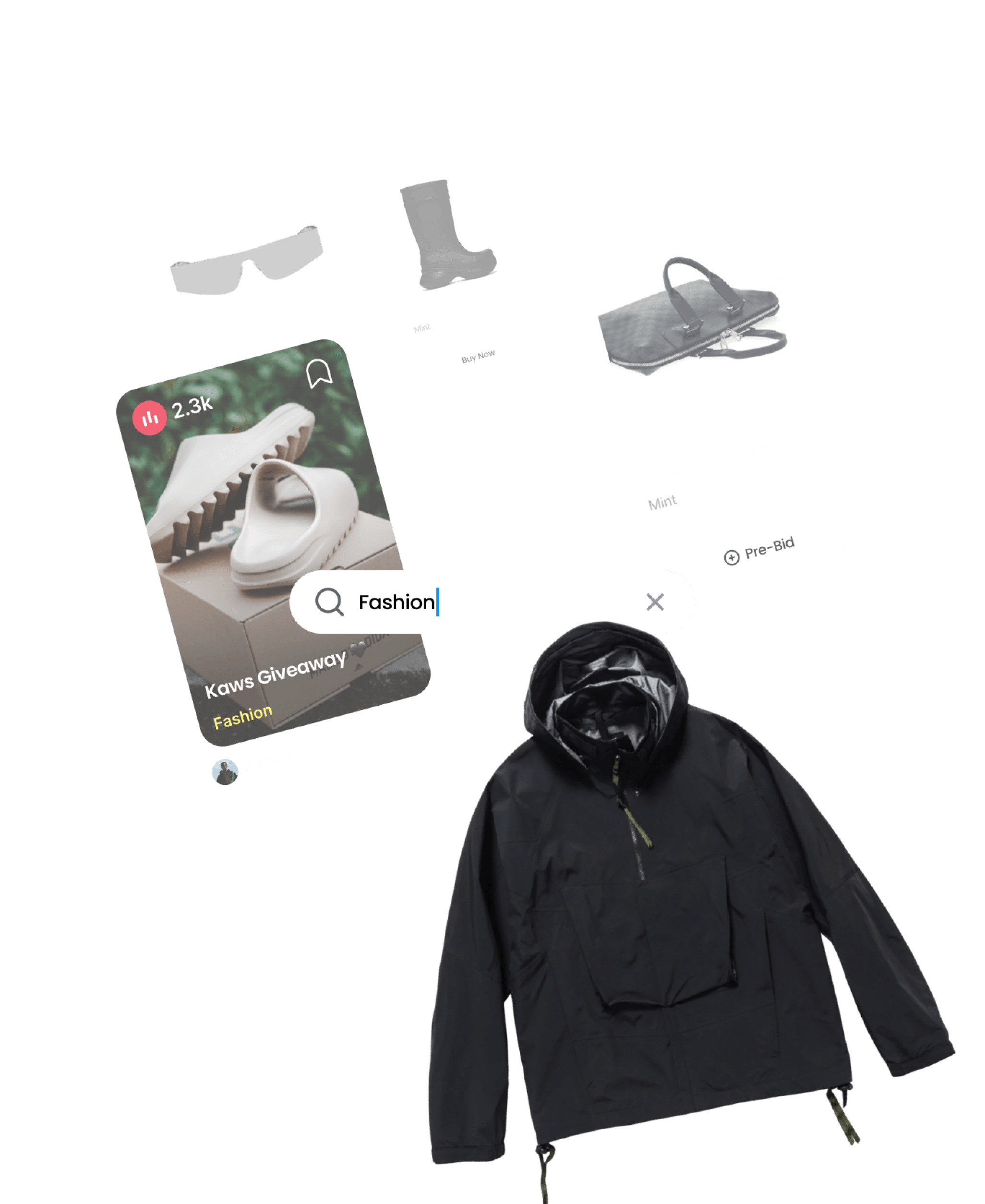
Whatnot is easy to understand in card and collectible categories, but fashion, sneakers, and luxury goods are a more complicated test. These categories can be exciting because live video gives buyers more context than flat photos. A seller can show soles, stitching, tags, hardware, fabric, flaws, fit, dust bags, boxes, and packaging in real time. But the same categories also carry higher risk because authenticity, condition, sizing, and return windows matter more. A cheap mistake in a hobby category may be annoying. A high-value mistake in sneakers or luxury resale can be painful.
This Whatnot fashion, sneakers, and luxury review looks at the platform from the perspective of a cautious buyer. The short version: Whatnot can be useful in these categories, but only if you treat live video as one input, not proof by itself. A trustworthy seller, clear condition review, realistic price, platform protection, and your own category knowledge all matter. Whatnot is not automatically dangerous for high-value goods, but the stakes are high enough that casual bidding is the wrong mindset.
Ready to try it?
See the latest details on the official website.
Opens in a new tab.
Why Live Video Helps
Static resale listings can hide a lot. A pair of sneakers may look clean from the side but have heel drag, star loss, odor, box damage, or creasing that matters to collectors. A vintage jacket may look great in one photo but have stains, stretched cuffs, missing buttons, or sizing quirks. A luxury bag may photograph well but have corner wear, hardware scratches, interior stains, or questionable authenticity details. Live video gives sellers a chance to show these things more honestly.
The best Whatnot sellers use video to reduce uncertainty. They hold items still, show flaws slowly, answer questions, compare sizes, and disclose what they know and do not know. That is valuable. A buyer who asks for a close look at soles, tags, serial marks, stitching, lining, or measurements can get information that would take several messages on a static marketplace. When a seller is knowledgeable and transparent, Whatnot can feel more personal and more informative than a normal listing.
Why These Categories Are Riskier
Fashion, sneakers, and luxury are riskier because small details change value. Sizing can be subjective. Vintage condition can be interpreted differently by seller and buyer. Sneaker authenticity can depend on subtle construction details. Luxury resale can involve serial numbers, hardware, materials, provenance, and brand-specific knowledge. A live stream is useful, but it is not the same as a professional authentication report or a slow in-person inspection.
Whatnot’s buyer protection includes counterfeit and not-as-described issues, but protection should not be treated as a replacement for caution. Claims have timing limits and may require evidence. The buyer still needs to inspect quickly after delivery and file support requests promptly. If you are buying expensive goods, do not rely on excitement, chat hype, or the seller’s confidence alone. Ask questions before bidding, not after winning.
How to Evaluate a Seller
A good seller in these categories should be comfortable with details. For sneakers, they should show outsoles, insoles, size tags, toe boxes, heel areas, boxes, and major flaws. For clothing, they should provide measurements, fabric notes, wear, stains, alterations, and fit expectations. For luxury goods, they should discuss condition, included accessories, known provenance, and what authentication support exists. If a seller acts annoyed by normal questions, that is a warning sign.
Also watch how the seller handles uncertainty. Honest uncertainty is better than overconfident guessing. A seller who says, “I do not know, let me show it closer,” is often more trustworthy than one who declares every item perfect. In resale, condition honesty builds repeat buyers. On Whatnot, repeat trust is everything because the live room moves quickly.
Price Discipline
Live auctions can make high-value categories feel more urgent than they should. A sneaker at $90 may become $160 because two buyers start competing. A bag may seem rare because the seller says it is the only one tonight. A vintage piece may feel irreplaceable because chat is excited. Sometimes those instincts are valid. Sometimes they are just auction pressure. Before bidding, check market ranges elsewhere. Decide the maximum delivered price, including shipping and tax. Then stop.
This is especially important because fashion and sneaker sizing add another layer of risk. A good price is not good if the item does not fit, cannot be returned for remorse, or requires reselling. Luxury goods add authenticity and condition risk. The more expensive the purchase, the less you should let the timer decide. Whatnot can be fun, but expensive fun needs rules.
Best Use Cases
- Vintage clothing sellers who clearly show measurements, flaws, fabric, and fit.
- Sneaker sellers with repeat buyers, careful condition checks, and category knowledge.
- Lower-to-mid priced fashion where live discovery matters more than perfect authentication.
- Luxury sellers who provide clear provenance, condition detail, and strong platform history.
- Buyers who enjoy live curation but still compare prices and inspect quickly after delivery.
Red Flags
- The seller refuses to show tags, soles, hardware, or flaws slowly.
- The stream relies on hype words rather than condition facts.
- The seller pushes off-platform payment or private follow-up for expensive goods.
- Prices exceed market comps because the room is excited, not because the item is special.
- You do not understand the category well enough to judge authenticity or condition at the bid amount.
My Verdict
Whatnot can work for fashion, sneakers, and luxury, but it should be used more carefully than lower-risk categories. The live format is genuinely helpful when sellers are transparent. It can reveal fit, condition, scale, and personality in ways static listings cannot. It can also create pressure that makes expensive buying feel too casual. The difference between a great purchase and a regretful one often comes down to seller selection and your own discipline.
I would use Whatnot for these categories after watching sellers first, starting with lower-value purchases, checking comps, and understanding buyer protection windows. I would not use it for expensive items from sellers I had never watched or categories I did not understand. That is not a criticism of Whatnot. It is the correct standard for any live high-value resale marketplace.
Extra Buyer Framework
Use a three-tier approach. Tier one is casual fashion or sneakers you can afford to treat as discovery. For these, live shopping can be relaxed. Tier two is mid-value items where condition and sizing matter. For these, ask questions and compare prices. Tier three is expensive luxury, rare sneakers, or collectible apparel. For these, slow down, verify, inspect immediately, and be prepared to walk away if the stream does not provide enough information.
This framework keeps Whatnot useful without pretending every purchase has the same risk. The app is not the problem when buyers adjust their standards to the value of the item. The problem begins when a buyer treats a luxury auction like a ten-dollar entertainment purchase. Match your caution to the price, and the platform becomes much easier to use responsibly.
Ready to try it?
See the latest details on the official website.
Opens in a new tab.
A Category-by-Category Buying Approach
For sneakers, start with condition and authenticity. Ask to see size tags, soles, heel wear, toe box creasing, box labels, replacement laces, and any flaws that affect value. For clothing, start with measurements and material. Vintage sizing can be deceptive, and live video can make a garment look different depending on how the seller holds it. Ask for pit-to-pit, length, waist, inseam, and fabric details when they matter. For luxury goods, start with provenance, included accessories, serial details where appropriate, and condition of high-wear areas such as corners, handles, lining, hardware, and zippers.
These are not annoying questions. They are normal questions in resale. A strong seller understands that serious buyers ask before bidding because returns are not a casual try-on system. If the seller can answer calmly, confidence rises. If the seller cannot answer, that does not automatically mean the item is bad, but it may mean the price should reflect uncertainty. Never pay certainty prices for uncertain goods.
When Live Shopping Is Better Than Static Listings
Live shopping is better when movement matters. A seller can stretch fabric, show how a jacket hangs, rotate a sneaker, open a bag, compare colors, or demonstrate scale. This helps with items that are hard to judge from a few photos. It also helps when the seller has taste. A good vintage fashion seller can style pieces, explain era, compare fit, and help buyers imagine the item in a real wardrobe. That kind of curation is difficult to replicate in a static listing.
But static listings are better when you need to study details slowly. If an expensive luxury item requires careful authentication, high-resolution photos, serial verification, or third-party inspection, a fast live stream may not be enough. The smartest buyers use both modes. Watch live for context, then slow down for verification. Whatnot does not have to replace your research; it can start it.
The Delivered-Value Test
Before bidding, ask: would I buy this item at the delivered price if it were listed statically with the same information? This question removes some of the auction heat. If the answer is yes, the live bid may be reasonable. If the answer is no, you may be buying the excitement rather than the item. That distinction matters most in fashion, sneakers, and luxury because sizing, condition, and authenticity can make resale harder if you regret the purchase.
Also ask whether you can absorb the downside. If a low-cost vintage shirt fits differently than expected, maybe that is acceptable. If a high-value bag raises authenticity questions after delivery, that is a much bigger problem. Use your risk tolerance as part of the bid. The more serious the downside, the more evidence you should require before buying.
A Practical Watchlist System
- Follow sellers who answer condition questions without rushing.
- Create a separate list for high-value sellers you have tested with smaller purchases.
- Do not buy expensive goods from a seller you discovered five minutes ago.
- Use market comps before live bidding, not after winning.
- Inspect delivery quickly and save packaging until you are sure the order is right.
Long-Term Verdict for These Categories
The more I think about these categories, the more I see Whatnot as a trust amplifier. If the seller is excellent, live video makes the purchase feel more informed and more human. If the seller is weak, live video can expose problems quickly. The buyer’s job is to notice the difference. Whatnot is not automatically better or worse than other resale options for fashion, sneakers, and luxury. It is more revealing. That makes it valuable when buyers know what to look for.
For cautious shoppers, the best path is gradual. Start with sellers, not items. Test fulfillment. Learn category language. Buy lower-risk pieces first. Save expensive purchases for situations where the seller, price, condition, and protection window all make sense. That approach lets Whatnot’s live format help you instead of pressuring you.
The Final Question Before Buying
Before bidding on fashion, sneakers, or luxury, ask whether the live stream has answered the same questions a careful static listing would answer. If not, the stream has not earned your bid yet. Live energy is a bonus, not a substitute for details. The more expensive the item, the more this question matters.
I would rather miss a deal than win an uncertain item at a confident price. On Whatnot, another seller and another stream will appear. Patience is a buyer advantage, especially in categories where condition and authenticity control value.
That is the buyer discipline these categories demand: enjoy the live presentation, but make the final decision as if the timer were not there.
Editor’s Practical Note
For sneakers, fashion, and luxury items specifically, the stakes are higher than most Whatnot categories. A counterfeit pair of Jordans or a misrepresented designer bag costs real money and erodes trust fast. That is exactly why authentication matters more than personality, and why the best sellers in these categories invest in proof rather than hype. If a seller cannot show receipts, tags, or clear provenance, the deal is not a deal.
The live format adds excitement, but it should not replace due diligence. Treat every fashion and luxury purchase on Whatnot the way you would treat a consignment store find: inspect carefully, verify independently, and walk away if anything feels off. The best deals on this platform go to patient, disciplined buyers who let bad auctions pass and only bid when the evidence matches the price.
More Whatnot Reviews on Tgtbuy
- How I Fell Down the Whatnot Rabbit Hole
- Whatnot Review 2026: Is This Live Shopping App Worth It?
- Whatnot Buyer Review: The Live Auction Experience
- Whatnot Seller Review: Is It Worth Selling?
- Whatnot vs eBay and Mercari: Where Live Shopping Wins
- Whatnot Shipping Review: Costs, Bundling & Delivery
- Whatnot Safety Review: Scams & Buyer Protection
- Whatnot Cards & Breaks Review: Pokémon & Sports
- Whatnot 30-Day Review: What I Loved & What Annoyed Me
- Is Whatnot Legit? A First-Time Buyer Review