


A lot of productions begin by searching for an off-the-shelf prop. That makes sense. If a catalog item already matches the scene, buying it saves time, protects the budget, and gives the crew something concrete to approve. But film, theater, advertising, and themed entertainment often need something stranger: a breakaway object in a specific shape, a rubber version of a dangerous tool, a sci-fi weapon with a particular silhouette, a fake product package, a safe stunt duplicate, a hero object that has to match an existing design, or a gag prop that must behave in a very controlled way. This is where NewRuleFX becomes interesting beyond its normal product catalog.
The official NewRuleFX site includes custom work navigation and a custom quote path, and the broader catalog shows why that matters. The store is already built around practical special effects categories: breakaway props, foam and rubber tools, set-safe prop guns, action props, training props, gore, labels, movie money, artificial ice, actor-safe smoking props, and expendables. A supplier that lives in these categories is better positioned to discuss custom needs than a general merchandise store. This review looks at NewRuleFX from a production workflow angle: when custom work is worth considering, what buyers should prepare, and how to avoid wasting time during the quote process.
Contact NewRuleFX or browse current prop options
When Custom Work Makes Sense
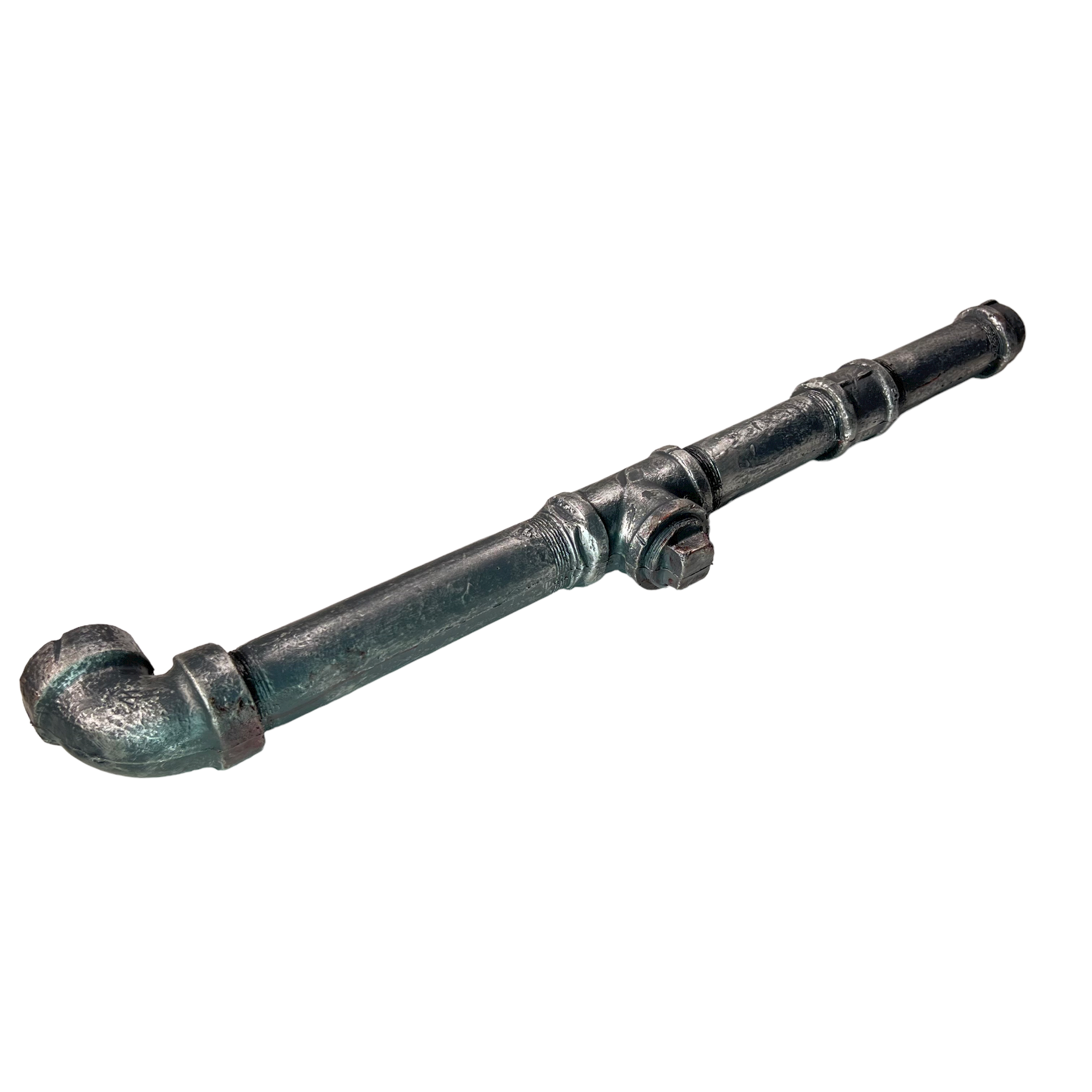
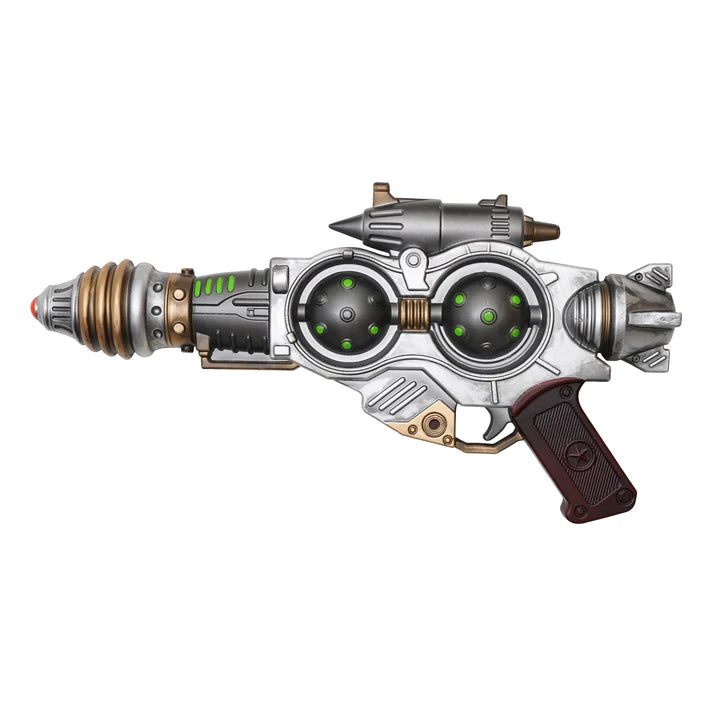
Custom prop work makes sense when the scene requirement is specific enough that a generic item will either look wrong or create extra risk. A director may need a pipe that appears heavy but can pass close to an actor. A commercial may need a fictional product label because the real brand cannot be shown. A fantasy project may need a weapon silhouette that does not exist in retail. A museum, escape room, or themed installation may need an object that can be handled repeatedly by visitors. A stunt team may need a soft duplicate of an object already chosen by the art department.
The key is to distinguish custom for taste from custom for function. Custom for taste means the buyer simply wants something unique. That can be valid, but it is often expensive. Custom for function means the prop must solve a production problem: safe contact, break behavior, camera realism, clearance, repeatability, weight, scale, installation, or performer handling. NewRuleFX is most compelling when the custom request is tied to function. The more clearly you can explain the job the prop must do, the easier it is for a fabricator to recommend a material, shape, or off-the-shelf alternative.
The Catalog as a Clue to Capabilities
Even before requesting a custom quote, NewRuleFX’s regular catalog gives clues about the kinds of problems the company understands. Foam rubber tools suggest experience with safe-looking metal objects. Breakaway bottles and flat panes suggest knowledge of controlled destruction. Movie money, labels, and artificial ice suggest familiarity with clearance, dressing, and camera illusions. Gore items and blood mats suggest specialty fabrication for horror, medical, and crime scenes. Training props and set-safe categories suggest awareness of sensitive items and release requirements.
That does not mean every custom idea is possible, affordable, or fast. It does mean that a buyer can use the catalog to frame a better conversation. Instead of saying, “Can you make a weird object?” a production can say, “We need something with the visual language of this catalog item, the softness of this foam prop, the approximate scale of this product, and the camera finish of this other piece.” Reference points save time. They also help the buyer decide whether custom work is necessary or whether a standard NewRuleFX item can be modified by the art department.
What to Prepare Before Asking for a Quote
The best custom prop request is specific but not overdesigned. A production should provide the scene context, reference images, approximate size, camera distance, expected handling, number of copies, deadline, budget range, and whether the prop will touch performers. If the item needs to break, bend, bounce, float, glow, spray, hold liquid, survive repeated use, match a hero object, or avoid trademark issues, say so early. These are not small details. They determine material, labor, testing, and whether the supplier can responsibly take the job.
Buyers should also decide who has approval authority. Custom props become slow when the director, producer, art director, stunt coordinator, legal reviewer, and client all comment at different stages. Before contacting NewRuleFX, gather the decision makers or at least agree on the non-negotiables. Is the prop mainly for a close-up? Is performer safety the priority? Is brand clearance the concern? Is the deadline fixed? Is the budget flexible? A clear brief makes the quote more useful and reduces the risk of late changes.
Material Choices and Practical Tradeoffs
Custom prop work is usually a series of tradeoffs. A softer object may be better for contact but less convincing in a macro close-up. A more rigid object may look sharper but require stricter blocking. A breakaway material may create the desired destruction but only once. A painted finish may sell the object on camera but need touch-up after rehearsal. A lightweight object may be easier to swing but must be performed as if it has mass. NewRuleFX’s catalog spans enough material styles that buyers should be prepared to discuss these choices rather than asking for everything at once.
A useful question is: what does the audience actually need to see? If the object flashes through frame during a fight, silhouette and safety may matter more than tiny surface details. If the object sits in a close-up, finish and shape may matter more than contact performance. If it breaks, the failure pattern matters. If it will be reused, durability matters. A custom quote should follow the shot, not the fantasy of a perfect object. The closer the request stays to the actual use case, the more practical the result becomes.
Custom Versus Off-the-Shelf
NewRuleFX’s standard catalog is broad enough that many buyers should start there before requesting custom work. If a foam rubber crowbar, flexible bat, training knife, breakaway bottle, artificial ice piece, label, or blood mat already solves the scene, there may be no need to pay for custom fabrication. Off-the-shelf products also have a clearer buying path and may be easier to reorder. For theater and recurring attractions, reorderability can matter more than uniqueness.
Custom work becomes more attractive when the prop has to match a script detail, a client brand, an existing hero item, a production design language, or a stunt requirement that standard items do not cover. For example, a production might buy a standard NewRuleFX soft pipe for rehearsal but ask about custom dimensions for the final gag. Or a team might use stock breakaway bottles for tests before commissioning a shape that better matches the set. The smartest buyers use the catalog as both a source and a prototype library.
Lead Times and the Current Rebuild Notice
Custom work always needs time, and NewRuleFX’s current site notice makes timing even more important. The company says it is operating while continuing to rebuild after a fire and that some items may have longer delays. For custom buyers, this should trigger early communication. Do not wait until the week before a shoot to ask whether a custom object can be designed, fabricated, approved, shipped, and tested. Even when a supplier is responsive, the physical world has limits.
A responsible schedule includes concept approval, fabrication, finishing, packing, shipping, inspection, camera testing, rehearsal, and possible adjustment. If the item is sensitive, weapon-like, oversized, fragile, or designed to break, add more time. If the prop is for a client campaign, include client review. If it is for theater, include tech rehearsal. Custom props can be extremely valuable, but they reward the production team that plans early and communicates honestly.
Safety, Releases, and Legal Awareness
Custom prop requests can cross into sensitive territory quickly. Anything resembling a firearm, explosive, police baton, tactical item, or weapon may involve release forms, shipping restrictions, local laws, permits, and public-safety concerns. NewRuleFX’s prop release language is a reminder that buyers cannot treat weapon-style props like ordinary decorations. If a custom object will be used in public, transported through public spaces, or filmed where bystanders can see it, the production needs location control and legal awareness.
There is also intellectual property to consider. The official site footer reminds buyers to perform proper clearance for items that may require licensing. That is a smart warning. A custom label, fictional brand, replica object, or inspired design may still create clearance questions for commercial use. Buyers should involve legal or clearance professionals when necessary. A prop supplier can make or sell an object, but the production is responsible for how that object is used in a commercial project.
How NewRuleFX Compares With General Marketplaces
General marketplaces are convenient, but they are often weak for production-specific questions. A seller may not understand why a foam tool needs to match a hero version, why a breakaway item needs backups, why a label must avoid trademark confusion, or why a prop gun cannot simply be shipped like a toy. NewRuleFX’s advantage is category fluency. The site’s structure suggests a business built around prop master problems rather than general consumer browsing.
The tradeoff is that specialty suppliers may have more process. Release forms, lead-time discussions, custom quotes, and safety language can feel slower than one-click buying. For serious productions, that is often a benefit. Process creates clarity. It forces the buyer to explain the scene, check the schedule, and understand the object. In prop work, a little friction can prevent expensive mistakes.
Best Fit for Custom Requests
- Film and television: stunt duplicates, breakaway variants, specialty dressing, fictional products, and soft versions of hero objects.
- Theater: repeated-use props, safe action objects, breakaway effects, and designs that must survive rehearsal and performance schedules.
- Commercials: client-specific product shapes, label-safe alternatives, tabletop effects, and unusual camera-facing objects.
- Themed entertainment: durable props for attractions, escape rooms, museum-style displays, or controlled visitor interaction.
- Training environments: scenario props where safety, recognition, durability, and release requirements must be planned carefully.
Budgeting for Custom Prop Work
Custom work should be budgeted as a service, not just as an object. The final price may reflect design interpretation, material research, mold making, sculpting, painting, finishing, testing, packing, and communication. A buyer who only compares the quote to a mass-produced retail prop may misunderstand the value. The question is whether the custom item prevents a bigger production problem: unsafe handling, a failed close-up, an unusable client shot, a clearance issue, or a stunt that cannot be rehearsed properly.
It also helps to ask whether one custom prop is enough. A hero version may need a stunt duplicate. A breakaway version may need multiple copies. A theater version may need replacements across the run. A commercial version may need a pristine backup in case the client requests another take. When evaluating NewRuleFX or any custom supplier, calculate the complete package rather than the first piece alone.
When Custom Work Is Not the Right Answer
Not every production problem deserves a custom build. If the prop appears for half a second in the background, a standard catalog item or art department modification may be wiser. If the script detail can change without hurting the story, changing the scene may save money. If the deadline is unrealistic, forcing a custom job can create more risk than value. Good production judgment includes knowing when to simplify.
- Use standard catalog items when they already match the camera distance and safety requirement.
- Reserve custom quotes for props with clear functional, visual, or clearance needs.
- Do not start custom work until the people with approval authority agree on the brief.
Final Verdict
NewRuleFX is worth considering for custom prop conversations because its standard catalog already demonstrates a strong understanding of practical effects needs. The company is not just selling decorative objects. It works in categories where material, safety, break behavior, camera realism, and professional use all matter. That makes it a logical supplier to approach when an off-the-shelf prop is close but not quite right.
The best custom buyer will come prepared. Bring references, scene context, deadlines, quantities, safety requirements, and a realistic budget. Start with the catalog to see whether a standard item can solve the problem. If not, use those products as reference points for a clear quote request. With early planning and responsible expectations, NewRuleFX can be more than a store. It can be part of the production design and effects workflow.