


A good Whatnot buyer review has to start with one warning: this app does not behave like a normal store. You do not open it, add a product to cart, compare three static listings, and leave. You enter live shows. You listen to sellers. You watch the chat. You wait for an auction to start. You might bid, lose, laugh, follow the seller, enter a giveaway, and buy something completely different twenty minutes later. That is the appeal. It is also why buyers need a better system than “I will just see what happens.”
This review focuses on the buyer side of Whatnot: how bidding works, what the buying formats mean, what shipping feels like, how buyer protection works, and where new users make mistakes. Whatnot is not inherently unsafe or inherently amazing. It is a live marketplace, which means the quality of the experience depends on the seller, the category, the buyer’s discipline, the shipping workflow, and the platform policies behind the transaction. If you understand those pieces before you bid, the app becomes much easier to judge.
Ready to try it?
See the latest details on the official website.
Opens in a new tab.
How Buying Works
Whatnot’s official buying guide breaks the experience into live-show buying and buying outside of shows. During live shows, sellers can run auctions, Buy It Now products, flash sales, giveaways, and card breaks. Outside shows, sellers may also list Buy It Now items directly from their shop. That means Whatnot is not only a livestream platform. It is also a marketplace with seller profiles, product listings, offers, pre-bids, and order pages. The live layer is what makes it feel different, but the transaction still happens inside a structured ecommerce system.
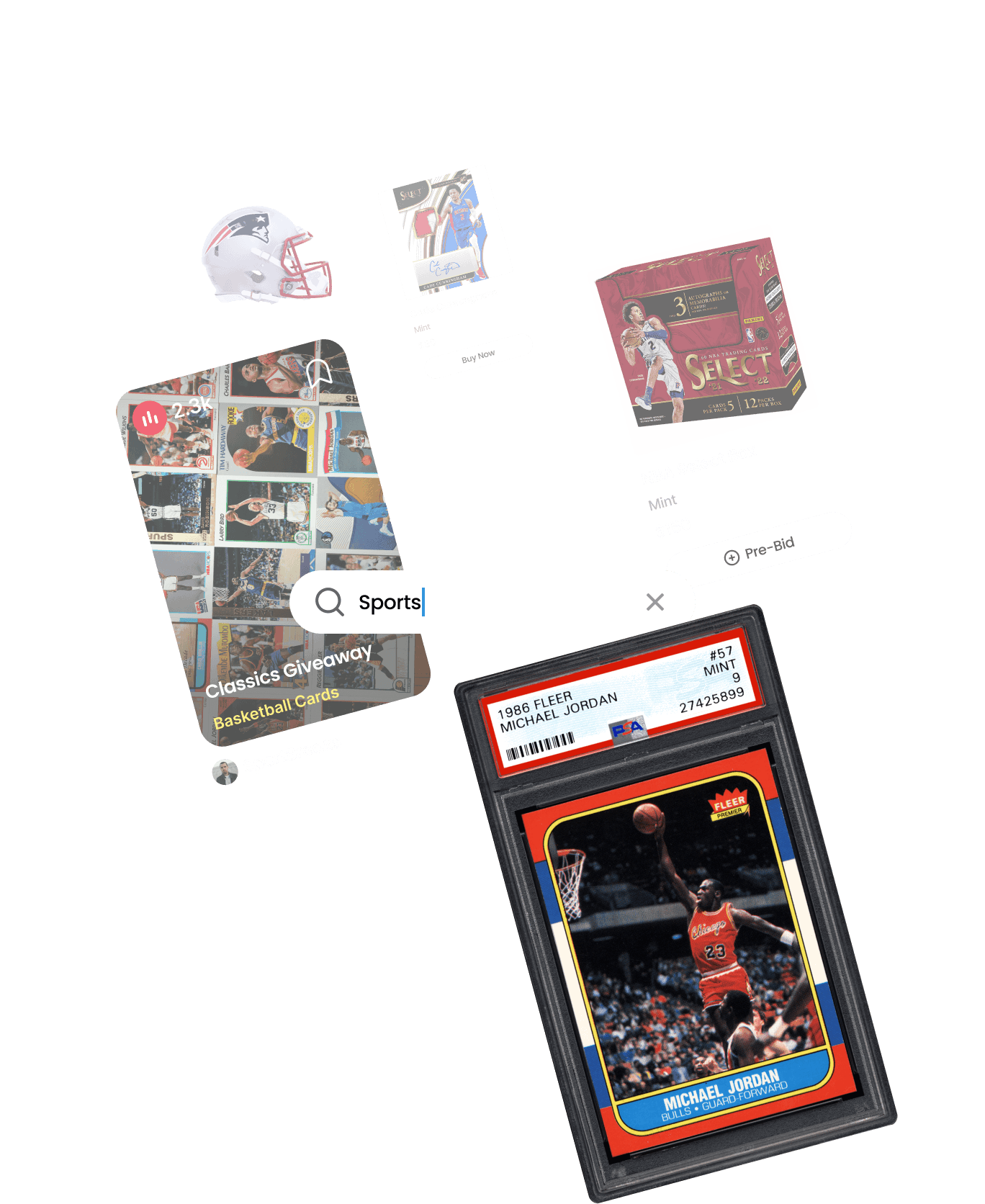
Auctions are the main event. In a standard auction, the seller chooses a timer, and late bids can add a few seconds so other buyers can respond. In a sudden-death auction, the timer ends exactly when it ends. Buy It Now items are fixed-price purchases. Flash sales are time-limited discounts. Giveaways are free to enter, although sellers may limit some giveaways to followers or buyers. Card breaks are their own world, where buyers purchase spots tied to packs, boxes, teams, characters, numbers, or draft formats. New users should learn the format before spending money, especially in breaks.
The Good Part: Context and Community
The strongest buyer advantage is context. On a normal marketplace, you often judge a product from photos and a short description. On Whatnot, you can watch the seller show the item, discuss condition, answer questions, compare similar pieces, or explain why something is desirable. That can be valuable in categories where condition and knowledge matter, such as sports cards, Pokémon cards, comics, sneakers, vintage clothing, coins, bags, toys, and other collectibles. A good seller can teach you while selling to you.
The community element is also real. Regular buyers recognize each other. Sellers greet familiar names. Chat jokes develop. People tag friends when a certain item appears. The stream becomes a small room with its own rhythm. That makes shopping feel less lonely and more alive. It can also make you more willing to buy from someone because you feel like you know them. That is not always bad; trust matters in resale. But buyers should remember that friendliness is not a substitute for clear condition, fair pricing, and reliable shipping.
The Risk: Speed Changes Your Brain
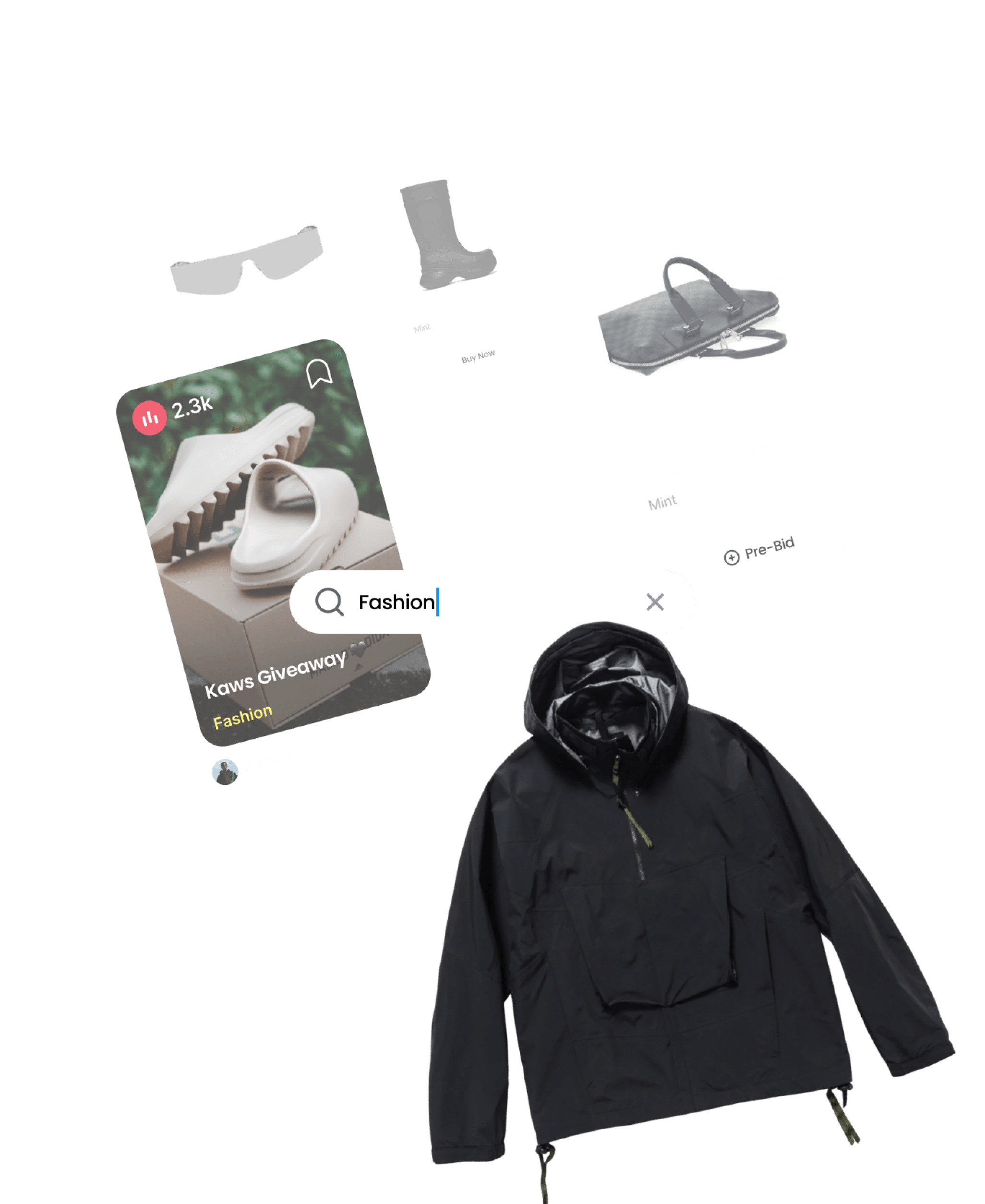
Whatnot’s biggest buyer risk is not hidden fees or confusing menus. It is momentum. Live auctions create urgency. A countdown makes an ordinary item feel scarce. Chat activity makes you feel watched. A seller’s energy can make a bid feel like participation rather than spending. You may tell yourself you are only going two dollars higher, then repeat that decision five times. This is how a fun night can become an expensive night.
The fix is simple but not easy: decide limits before the auction starts. If you want a specific card, shoe, bag, comic, or collectible, check comparable prices first. Know your maximum including shipping and tax. Use custom bids when appropriate. Do not bid because someone else outbid you. Do not treat losing as failure. The best Whatnot buyers learn to enjoy watching without needing to win. That one habit makes the app dramatically safer.
Shipping: The Hidden Part of the Price
Whatnot shipping deserves attention because it can change the value of small purchases. For U.S. sellers, Whatnot says orders ship via USPS and the platform automatically chooses an economical service based on product type, category, weight, and shipment size. That is convenient, but buyers still need to read the checkout total. A five-dollar item may not be a five-dollar purchase after shipping and taxes. If you buy multiple items from the same seller, bundling can make the order more efficient, but bundling depends on timing and shipment details.
Seller packing quality also matters. A careful seller can make a modest purchase feel professional. A careless seller can turn a good auction win into a support case. Watch how the seller handles items during the stream. Listen for whether they discuss sleeves, top loaders, boxes, bubble mailers, shoe boxes, dust bags, or fragile packaging when relevant. Check reviews when possible. If a seller is vague about condition and seems rushed with shipping questions, that is a signal to slow down.
Buyer Protection and Refund Timing
Whatnot’s Buyer Protection Policy is one of the reasons I would rather buy inside the platform than through a random off-platform arrangement. The policy covers common serious issues: incorrect or missing items, items that are damaged, defective, expired, fake, counterfeit, not as described, or packages that are lost, delayed, not shipped, misdelivered, or not received after being marked delivered. Whatnot may require a return, and buyers generally need to keep the item in the same condition.
Timing is the part buyers cannot ignore. For most orders, Whatnot requires a request by the earlier of 30 days from purchase or 14 days from delivery. Some categories have tighter delivery windows, including coins and money, sports cards, sneakers and streetwear, trading card games, and luxury goods. Plants and fresh or specialty food are even shorter. This means you should open packages quickly, inspect them, compare them to the listing, and file a request through the app if something is genuinely wrong. Waiting can cost you protection.
What Buyer Protection Does Not Mean
Buyer protection does not mean you can reverse every bad decision. Buyer’s remorse is not the same as receiving the wrong item. A card break that does not hit the card you wanted is not automatically refundable. Tips are not refundable. Refusing delivery or failing to pick up a package is not a shortcut to a refund. Customs and duties are not generally refunded. Off-platform transactions are not covered. Those exclusions are not tiny details; they shape how buyers should behave.
This is especially important in categories with chance, volatility, or fast-moving values. A break spot can be entertaining, but it is not the same as buying a known single. A sneaker price can change. A raw card grade is an opinion until it is professionally graded. A vintage clothing item may have wear that matters more to one buyer than another. Whatnot can protect against real order problems, but it cannot protect you from every risk of collecting, reselling, or bidding emotionally.
Who Will Like Buying on Whatnot
- Collectors who enjoy live discovery and seller personality.
- Buyers who already know their category and can spot good prices quickly.
- People who enjoy auctions but want more social energy than eBay-style bidding.
- Shoppers who value seeing items handled on camera before purchase.
- Hobbyists who like following repeat sellers and building trust over time.
Who Should Be Careful
- Anyone who impulse buys when a timer appears.
- Buyers who do not check shipping before swiping or bidding.
- People shopping high-value goods without understanding authentication, condition, or return windows.
- Anyone tempted by off-platform deals, which remove platform protection.
- New users entering card breaks or mystery-style formats without reading the rules.
My Buyer Strategy
If I were starting fresh, I would spend the first week watching without buying. I would follow ten sellers, then unfollow half after seeing how they run shows. I would make a note of sellers who show condition slowly, answer questions directly, explain shipping, and do not pressure buyers into spending more than they planned. I would place small orders first, then judge packaging and delivery before making larger purchases. And I would treat the first few orders as a test of the seller, not just a test of the platform.
I would also separate entertainment purchases from serious purchases. If I enter a low-cost break or bid on a fun item, I would treat that as entertainment money. If I buy a high-value card, sneaker, coin, bag, or comic, I would slow down, compare prices, read seller history, and understand the protection window. Whatnot is flexible enough for both casual and serious buying, but the mindset should change with the stakes.
Final Verdict
As a buyer, Whatnot is exciting, useful, and occasionally chaotic. It gives you access to real people, niche inventory, live explanations, and a marketplace rhythm that static platforms cannot match. It also asks more of you. You need budget discipline, seller judgment, shipping awareness, and fast follow-up if something goes wrong. The app rewards buyers who are engaged, informed, and patient enough to walk away.
My buyer review is positive with boundaries. Whatnot is worth using if you enjoy live commerce and know how to set limits. It is not the right place to shop half-awake with no budget and no category knowledge. Watch first, buy slowly, keep transactions on-platform, inspect packages quickly, and use protection responsibly. Done that way, Whatnot can be a genuinely enjoyable way to buy things you care about.
Ready to try it?
See the latest details on the official website.
Opens in a new tab.
A Realistic Buyer Checklist
Before bidding, ask four questions. First, do I know what this item normally sells for? Second, did the seller show the condition clearly enough for the price? Third, am I comfortable with the total after shipping and tax? Fourth, would I still want the item tomorrow if there were no countdown timer? If the answer to any of those is no, the best move is to watch. Whatnot rewards patience more than it appears to. There is almost always another show, another seller, another lot, or another chance.
After purchase, inspect quickly. Open the package, compare the item to what was shown, check for missing pieces, confirm condition, and save the packaging until you know everything is fine. If there is a real issue, use the app support flow promptly because the time limits matter. Buyers who wait too long can lose eligibility even when the complaint would otherwise be reasonable. The boring admin habit of checking orders quickly is one of the best protections you have.
How to Think About Card Breaks and Mystery Formats
Card breaks deserve a special mention because they are one of the most misunderstood buying formats on Whatnot. A break can be fun if you understand that you are buying into a format, not buying a guaranteed card. Some breaks assign teams, characters, slots, or packs. Some formats give buyers more control than others. Some are closer to entertainment than investment. Before buying into any break, read the rules, listen to the seller explain distribution, and decide whether the price makes sense if the result is mediocre.
The emotional trap is remembering the biggest hit and forgetting the average outcome. A stream may celebrate the person who lands a huge card, but most buyers will receive ordinary results. That does not make breaks bad. It means they should be budgeted like entertainment unless the format and pricing are clear enough for a serious collector decision. If you cannot explain how the break works to someone else, you probably should not buy a spot yet.
Buyer Red Flags
- A seller refuses to show condition slowly when asked.
- Auction rules change midstream or are explained only after bids begin.
- The seller pushes off-platform payment or private deals.
- Chat is full of unresolved shipping or condition complaints.
- You feel like you are bidding to avoid embarrassment rather than because the item is worth the price.
More Whatnot Reviews on Tgtbuy
- How I Fell Down the Whatnot Rabbit Hole
- Whatnot Review 2026: Is This Live Shopping App Worth It?
- Whatnot Seller Review: Is It Worth Selling?
- Whatnot vs eBay and Mercari: Where Live Shopping Wins
- Whatnot Shipping Review: Costs, Bundling & Delivery
- Whatnot Safety Review: Scams & Buyer Protection
- Whatnot Sneakers, Fashion & Luxury Review
- Whatnot Cards & Breaks Review: Pokémon & Sports
- Whatnot 30-Day Review: What I Loved & What Annoyed Me
- Is Whatnot Legit? A First-Time Buyer Review