


Breakaway props are one of those production tools that look simple until you have to plan a scene around them. A bottle that shatters across a bar, a pane of glass that gives way during a stunt, or a tumbler that breaks on impact can make a scene feel physical and immediate. The problem is that real glass is unpredictable, dangerous, and often unnecessary. NewRuleFX builds much of its reputation around breakaway props, especially its SMASHProps bottle and glass lines, so this review focuses on whether the catalog gives filmmakers, theater teams, and content creators enough practical choice to stage breakage more intelligently.
The short version is that NewRuleFX is a strong option if you need breakaway bottles, glassware, flat panes, or specialty breakable objects for controlled entertainment use. The official catalog includes standard beer or soda bottles, value packs, craft and vintage bottle shapes, stubby bottles, futuristic bottles, 32 ounce bottles, moonshine jugs, sample packs, pint glasses, tumblers, shot glasses, and flat pane glass. That range is useful because breakaway work is not only about smashing something. It is about matching the prop to the story, the performer, the camera angle, the number of takes, and the safety plan.
View NewRuleFX breakaway prop options
Why Breakaway Choice Matters
A generic breakaway bottle can work for a fast action beat, but it may not work for every scene. A modern bar fight, a western saloon, a kitchen accident, a fantasy tavern, a convenience store robbery, and a staged training demonstration all call for different visual language. NewRuleFX’s catalog matters because it separates shape, size, color, and use case. The presence of standard bottles, craft bottles, vintage bottles, jugs, glasses, stemware-style items, and flat glass means a buyer can think like an art department instead of grabbing the first breakable object available.
That is the main value of a specialist supplier. When the prop looks right before it breaks, the action reads better. A breakaway object is only on screen for a moment during impact, but it often appears in the actor’s hand, on a table, behind a window frame, or in the background before the gag. If it looks fake during the setup, the smash becomes a gimmick. If it looks natural, the break becomes part of the performance. NewRuleFX seems to understand that the build-up matters as much as the break itself.
Bottles: The Most Useful Entry Point
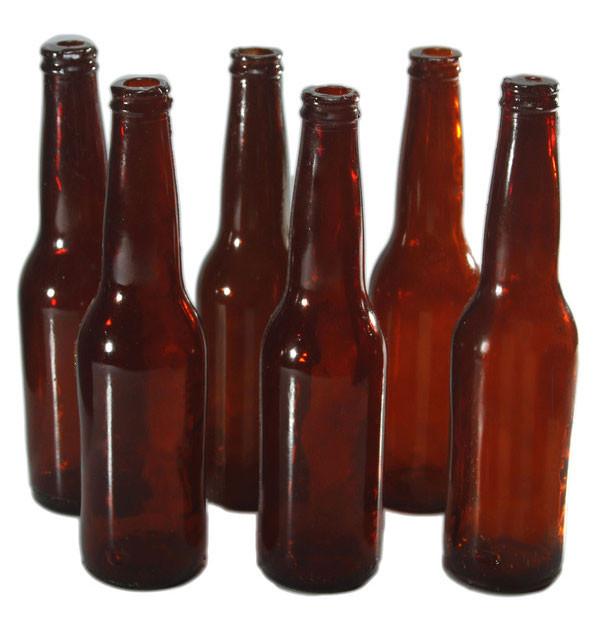
Breakaway bottles are probably the easiest NewRuleFX category for buyers to understand. The catalog includes standard beer or soda bottle props and multiple bottle variations, including value packs and shape-specific options. For independent filmmakers, a value pack can be important because the first take is not always the best take. You may need rehearsal pieces, stunt test pieces, or extras for continuity if the director wants another angle. Buying a single bottle for a scene that might need multiple hits is risky planning.
The bottle category also gives productions better control over tone. A standard bottle feels everyday. A top-shelf scotch-style bottle suggests status. A vintage bottle can fit a period piece. A moonshine jug supports western, rural, or comedic scenes. A futuristic bottle can help a science fiction project avoid modern-brand associations. Because breakaway items are often destroyed, it is tempting to choose the cheapest option. But the better question is what the object communicates before it breaks. NewRuleFX offers enough bottle variety to make that choice intentional.
Flat Pane Glass and Window Gags
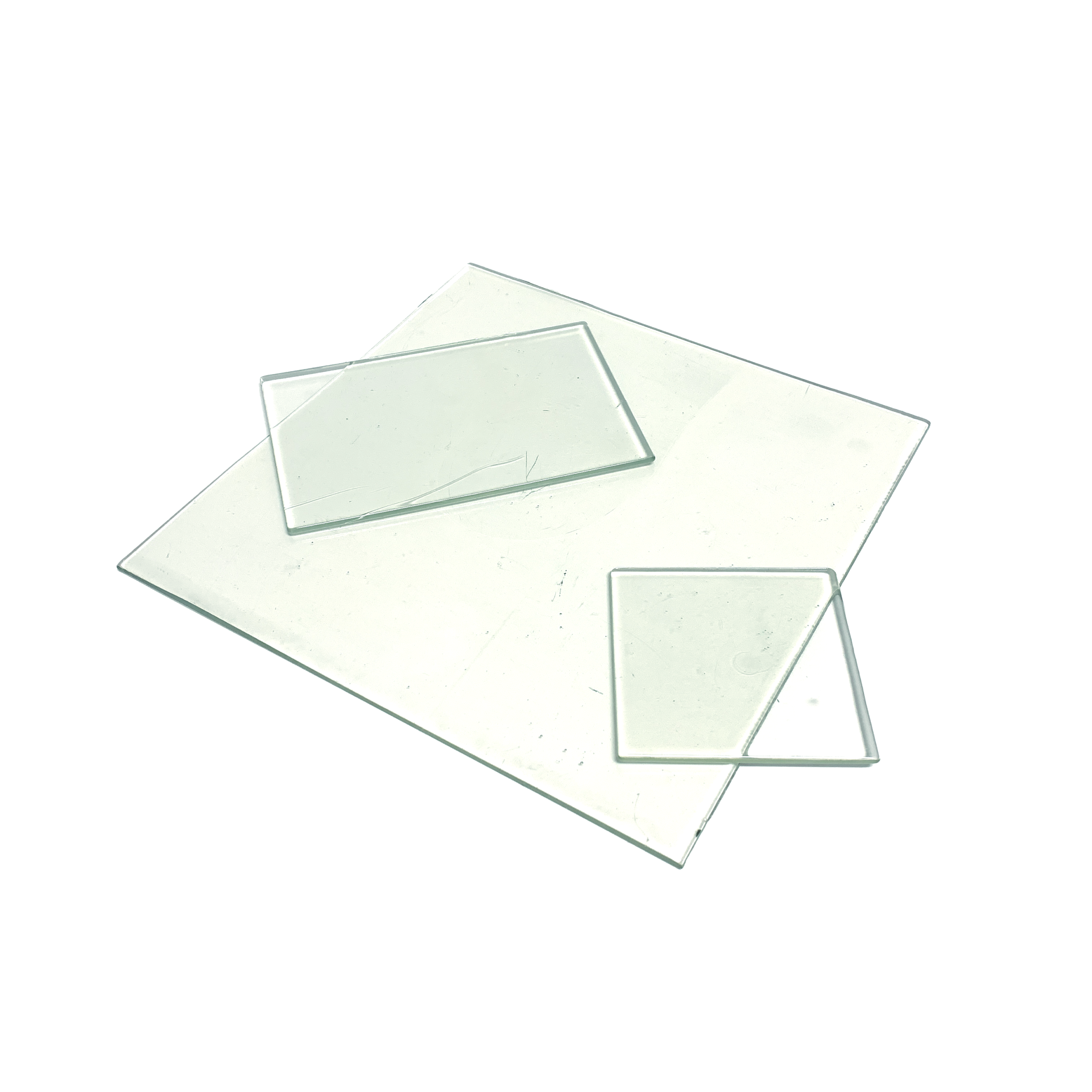
Flat pane glass is a more demanding category because the prop often interacts with a set, frame, door, window, vehicle, or stunt path. NewRuleFX lists SMASHProps breakaway flat pane glass, which is useful for scenes where a character goes through or strikes a surface that must appear brittle. Buyers should treat this category with extra planning. Measure the frame, confirm the camera angle, decide whether the pane is seen before impact, and rehearse the performer’s path without the breakaway material before introducing the effect.
A flat pane gag can look spectacular when it is framed correctly, but it also exposes weak production planning. The edges, mounting method, lighting, and cleanup plan all affect the result. A prop supplier can provide the breakaway pane, but the production has to build the environment around it. For that reason, NewRuleFX is best viewed as a source for the specialized material, not as a replacement for a stunt coordinator or effects supervisor. If your scene involves speed, falls, vehicles, height, or impact near a performer’s face, professional oversight is essential.
Camera Realism and Performance
The ideal breakaway prop should create the impression of risk without creating unnecessary risk. Realism comes from three places: visual appearance before impact, the way the object fails, and the way actors behave around it. NewRuleFX product photos show props designed to mimic familiar glass objects, but the production still has to sell the behavior. Actors should handle breakaways with intention. Camera angles should avoid lingering on surfaces that reveal the trick. Lighting should support transparency or color without turning the prop into a plastic-looking object.
This is where rehearsal becomes more important than the brand name. A breakaway bottle does not automatically make a hit look good. The performer receiving or delivering the action, the stunt beat, the sound design, the camera movement, and the cut all participate in the illusion. NewRuleFX gives buyers access to the right category of object, but the result depends on choreography. Treat the prop as one piece of a full effect rather than the effect itself.
Safety: Useful, Not Magical
NewRuleFX’s official language frames its products as entertainment-industry items for trained professionals, and that is the correct standard. Breakaway glass and bottles can lower risk compared with real glass, but they still create fragments, movement, surprise, cleanup needs, and possible contact points. Any scene involving impact should include eye protection during tests where appropriate, a cleanup plan, performer briefing, and rehearsal with non-breakable substitutes. Theater teams should also consider repeatability. A safe effect for one performance has to be reset consistently night after night.
Buyers should also avoid using breakaway props as pranks or casual stunts. The fact that NewRuleFX tags some products with novelty or prank-related keywords does not change the practical reality: these are best used in controlled environments. A prop that is safer than real glass is not automatically safe in a public place, around untrained people, or without consent. The buyer should control who knows the prop will break, where the break happens, who cleans it, and what happens if the scene needs a second take.
How Many Pieces Should You Order?
One common mistake is buying only the exact number of breakaway props that appear in the script. If the script says one bottle breaks, the buyer orders one bottle. That is not production thinking. A better approach is to estimate takes, rehearsals, resets, backups, camera coverage, and possible misfires. For a simple close shot, two or three pieces may be enough. For a complex action beat, a production may need many more. For theater, the question becomes how many performances need the gag and whether the item is available again on the same schedule.
NewRuleFX’s value packs and sample packs are useful because they let buyers plan around real production behavior. A sample pack may help a team compare scale, color, or break look before committing to a scene. A six-pack can support multiple takes or multiple performance nights. The cheapest single item can become expensive if it forces a delayed shoot because there is no backup. When reviewing NewRuleFX, this is one of the catalog strengths: the site does not only sell individual pieces. It offers formats that match how breakaway props are actually consumed.
Ordering and Lead-Time Considerations
The official NewRuleFX homepage currently notes that the business is operating while continuing to rebuild after a fire, and that some items may still have longer delays. This matters more for breakaway props than for ordinary accessories because breakaways are often tied to a fixed shoot date. If your production has a tight schedule, contact the supplier before assuming stock and shipping will align. If the gag is central to the scene, build a backup plan. If the scene can be rescheduled, give the production manager realistic lead-time information early.
For buyers outside the United States, additional caution is sensible. Shipping fragile or specialized production items can introduce customs timing, damage risk, and communication needs. Even domestic buyers should inspect items when they arrive and store them carefully. Breakaway props should not be left loose in a general prop bin where people who do not know the plan may handle them incorrectly. The ordering experience is only the first step. Receiving, labeling, storing, and briefing the crew are part of responsible use.
Best Use Cases
- Film and television: bar fights, kitchen accidents, window impacts, comedic destruction, fantasy tavern scenes, music videos, and controlled action beats.
- Theater: repeatable breakage effects where stage management can control handling, reset, cleanup, and performer blocking.
- Commercial and social content: dramatic product reveals, safe-looking destruction scenes, stylized transitions, or tabletop effects that need practical fragments.
- Training and education: demonstrations where the visual of broken glass is useful, provided the environment is controlled and everyone understands the prop.
Limitations to Keep in Mind
The limitation of NewRuleFX breakaway props is not really the catalog. It is the buyer’s responsibility to match prop, scene, and safety plan. If a production needs a hyper-specific branded bottle, a perfectly custom size, or a complex installed window gag, off-the-shelf items may not be enough. If a director wants many takes but the budget only covers one or two pieces, the production may be underbuying. If the scene involves high-impact body contact, a breakaway item alone is not the safety solution.
There is also the simple issue of visual testing. Breakaway material may read differently under different lighting or lenses. A prop that looks excellent in a product photo still deserves a camera test if it will be featured prominently. That is not a criticism of NewRuleFX. It is normal production practice. The brand provides the object; the production verifies how it behaves in its own lighting, distance, and edit rhythm.
Cleanup, Continuity, and Reset Planning
A breakaway scene is not finished when the object breaks. The cleanup and reset plan can decide whether the production stays on schedule. Someone has to know where the fragments are expected to land, which shoes or wardrobe pieces enter the area afterward, whether the floor needs protection, and how continuity will be preserved between takes. If a bottle breaks in a bar scene, the next setup may need matching fragments, a replacement bottle in the same actor’s hand, or a clean tabletop for a reverse angle. These details are easy to forget until the crew is waiting.
NewRuleFX can supply the physical breakaway item, but productions should also prepare bags, labels, gloves, brooms, mats, continuity photos, and storage containers. Theater teams should document the reset process so every performance uses the same handling routine. Film crews should photograph the prop before and after impact if the scene will be covered from multiple angles. Treating breakaways as a full workflow, rather than a one-second effect, is the difference between a clean production day and a messy one.
Camera Tests Before the Final Take
Whenever a breakaway object will be seen clearly before impact, a quick camera test is worth the time. Put the prop under the actual light, check reflections, compare it with nearby real objects, and see how it reads at the planned lens distance. If the item is transparent or translucent, background color can change the way it appears. If the item is a pane, the frame and edge treatment may reveal more than expected. A small test lets the team adjust blocking or lighting before the expensive take.
- Test reflections and transparency under the same lighting used for the scene.
- Keep one unused piece for close-up inserts if the breakaway item will be destroyed early.
- Plan continuity photos before the gag begins, not after the first take has already happened.
Final Verdict
NewRuleFX is a strong breakaway prop supplier because its catalog reflects real production needs: bottles in multiple shapes, glassware, flat panes, packs, and specialty breakables. The product range gives buyers control over story context, camera appearance, and take planning. The safety framing and current lead-time notice also encourage responsible purchasing rather than impulse use. For teams that understand rehearsal, duplicate quantities, and controlled environments, NewRuleFX breakaway props are worth considering.
The best way to buy from NewRuleFX is to start with the scene, not the product. Decide what breaks, why it breaks, how many times it must break, who handles it, and when it must arrive. Then choose the bottle, glass, pane, or pack that fits that plan. Used this way, the catalog can help a small production create a bigger, more tactile moment without resorting to real glass. That is exactly where a breakaway supplier should shine.