


Most Whatnot reviews focus on buyers, but the seller side is just as important. Whatnot is not merely a place to list inventory. It is a stage. Sellers need products, pricing discipline, shipping systems, camera presence, category knowledge, and enough consistency to bring people back. A seller who is excellent on eBay may not automatically be excellent on Whatnot, because live shopping changes the job. You are not only describing an item. You are hosting attention.
This seller-focused Whatnot review looks at whether the platform is worth it for resellers, collectors, small shops, and creators in 2026. The answer is: yes, for the right seller. Whatnot can be powerful when you have category-specific inventory, a repeatable show format, and enough personality to keep buyers watching. It is less attractive if you want passive listings only, hate live interaction, cannot ship quickly, or do not know your margins. Selling on Whatnot is ecommerce, but it is also programming. Your show is the storefront.
Ready to try it?
See the latest details on the official website.
Opens in a new tab.
The Main Seller Advantage
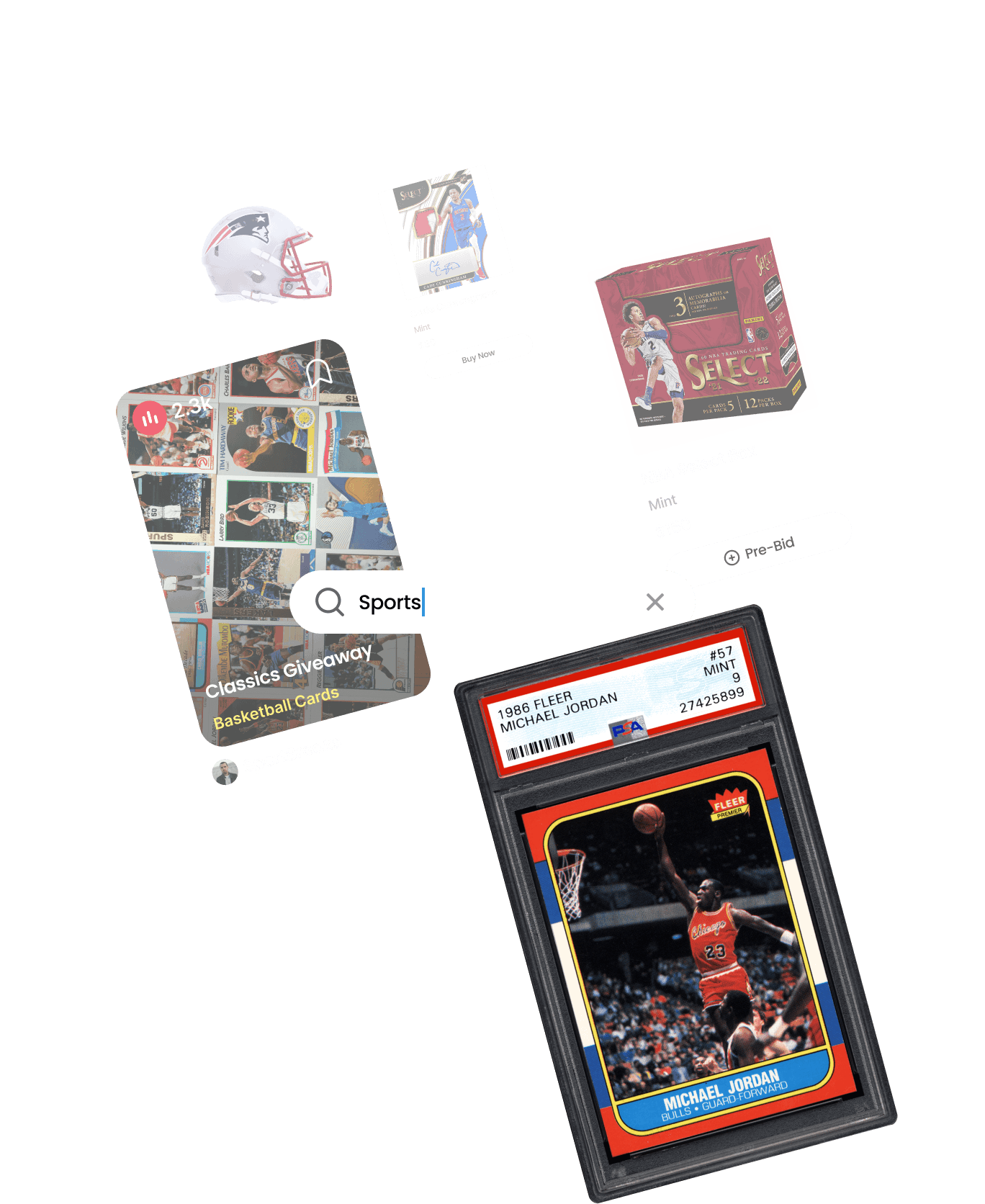
The biggest seller advantage is attention. On a static marketplace, your item competes with every other listing in search results. On Whatnot, buyers enter your stream and spend time with you. If you can hold that attention, you can sell through inventory that might sit elsewhere. You can explain condition live, bundle items, create urgency, tell stories, answer questions, and let buyers feel the pace of a real event. That is especially valuable in categories where enthusiasm drives purchase decisions: cards, comics, sneakers, fashion, vintage goods, toys, coins, jewelry, and collectibles.
The platform also gives sellers multiple selling formats. You can run auctions, offer Buy It Now items, use flash sales, host giveaways, and maintain shop listings outside live shows. That flexibility lets different sellers build different rhythms. A card breaker may rely on spots and live openings. A vintage clothing seller may run rapid auctions. A luxury seller may move slowly and spend more time on condition. A comic seller may mix education with quick lots. Whatnot works best when the format matches the category and the seller’s personality.
The Fee Reality
Whatnot’s official seller fee page says sellers generally pay two types of fees: a commission fee and a payment processing fee. It also says there are no fees to create, store, or manage listings. In the U.S., Canada, and Australia, many categories use an 8 percent commission on the final sale price, while coins and money have a lower commission structure, and payment processing is calculated on the total order value plus a fixed transaction fee. The exact structure can vary by region, category, taxes, and limited-time promotions, so sellers should check current receipts rather than relying on old screenshots.
The practical lesson is that revenue is not profit. A $20 sale is not $20 in your pocket. Commission, payment processing, discounts, coupons, packaging, sourcing cost, time, returns, and shipping choices all matter. Whatnot shows receipts and earnings details, but sellers should still build a margin sheet before going live. This is especially important for low-cost inventory because fixed processing fees and packing time can eat into profit. A seller who runs hundreds of tiny auctions without understanding net margin may feel busy while making less than expected.
Inventory That Works Well
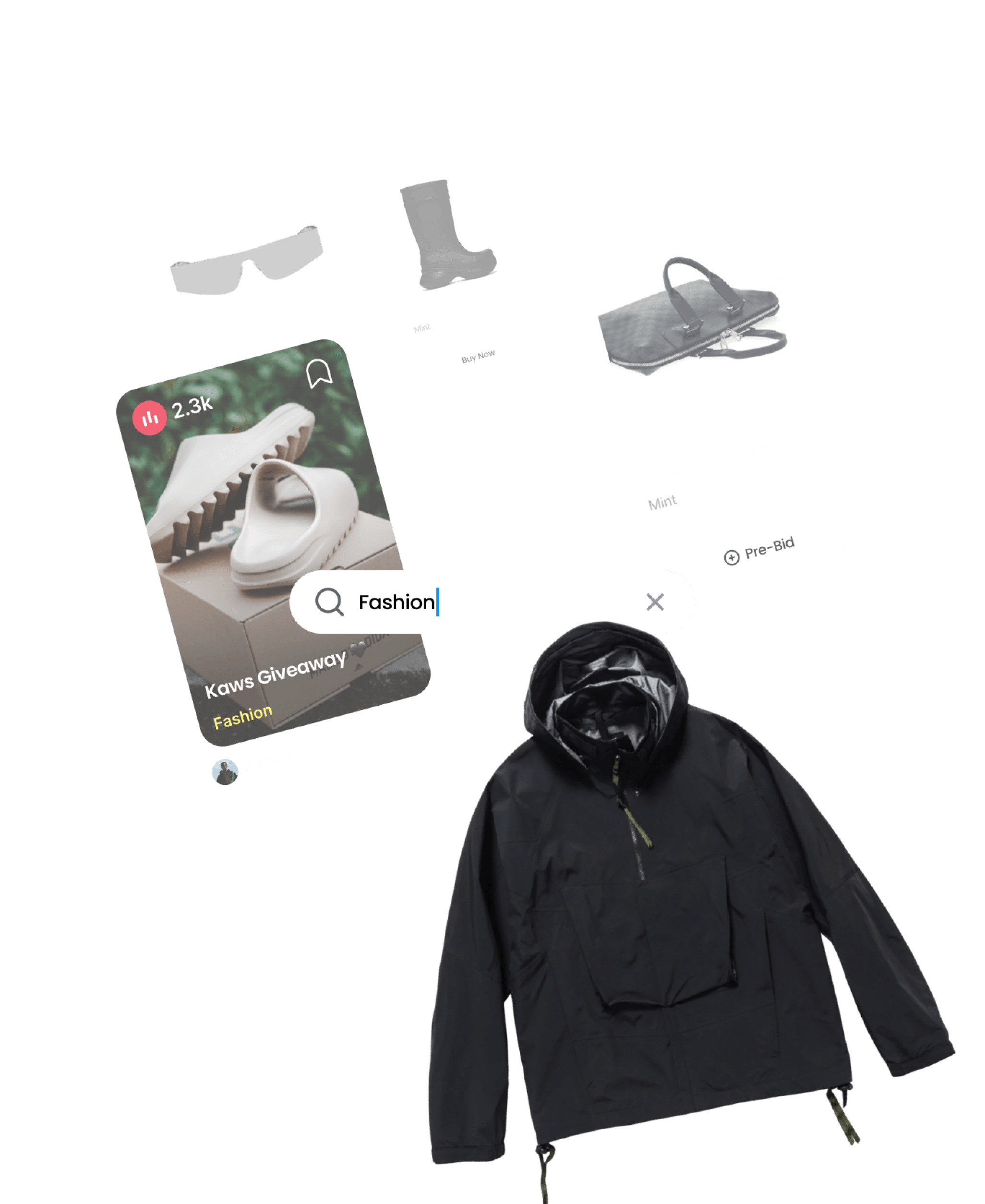
Whatnot tends to reward inventory with story, urgency, or category passion. Collectibles work because buyers care about condition, rarity, nostalgia, and the thrill of discovery. Fashion works when a seller can show fit, fabric, brand, and styling quickly. Sneakers work when buyers trust authenticity and condition. Coins, comics, and cards work when the seller can explain why a piece matters. Mystery boxes, breaks, and bundles can work, but they require careful rules and buyer trust.
The harder inventory is generic commodity product with no story and no reason to watch live. If buyers can get the exact same item cheaper from a normal store, your show has to add value through curation, scarcity, convenience, entertainment, or trust. Whatnot does not magically make every product exciting. It amplifies inventory that benefits from being seen, explained, compared, or competed for in real time.
The Work Behind a Good Show
A good Whatnot show looks spontaneous, but it usually requires preparation. Sellers need lots created, starting prices chosen, items sorted, shipping weights understood, labels or SKU references prepared, camera and lighting tested, and a show flow that prevents dead air. The best sellers know what is coming next. They do not spend half the stream searching through piles while buyers leave. They also know when to slow down for a valuable item and when to move quickly through lower-value lots.
Presentation matters more than some sellers expect. You do not need to be loud or theatrical, but you do need clarity. Hold items still. Show flaws. Repeat the size, condition, and relevant details. Explain rules for breaks, bundles, or giveaways before the auction starts. If chat asks a serious question, answer it. The goal is not to pressure people. The goal is to reduce uncertainty. Buyers bid more confidently when they believe the seller is organized and honest.
Shipping and Fulfillment
Shipping can make or break a Whatnot seller. The platform provides shipping tools, but the seller still has to pack correctly, generate labels, verify weights and dimensions, and get packages moving. Whatnot’s seller shipping guidance emphasizes reviewing shipment details, matching weight and dimensions, and using Seller Hub on the web for adjustments. Those details are not glamorous, but they protect seller reputation. A great live show followed by sloppy packaging is not a great business.
Sellers should build a post-show workflow before scaling. Have sleeves, boxes, bubble mailers, tape, labels, packing slips, storage bins, and a clean area ready. Separate sold items immediately. Use order notes where needed. Do not rely on memory after a long stream. If you sell fragile, high-value, or condition-sensitive items, packaging is part of the product. Buyers remember how the order arrives, not only how exciting the auction felt.
Trust Is the Real Currency
Whatnot sellers can grow quickly when buyers trust them. Trust comes from accurate descriptions, consistent shipping, fair issue resolution, and category competence. It also comes from restraint. Sellers who overhype every item, dodge condition questions, or pressure buyers may get short-term bids but lose long-term customers. In live commerce, repeat buyers are everything. The chat remembers. Category communities talk. A reputation can compound in either direction.
This is especially true in high-risk categories: luxury goods, sneakers, coins, trading cards, sports cards, and anything frequently counterfeited. Sellers should be prepared to prove authenticity, disclose uncertainty, and avoid making claims they cannot support. Whatnot’s counterfeit and buyer protection policies create a platform framework, but sellers create the day-to-day trust. If you sell in a category where fakes exist, your process must be stronger than your personality.
Who Should Sell on Whatnot
- Resellers with repeatable access to category-specific inventory.
- Collectors who know their niche deeply and enjoy explaining items live.
- Small shops that can turn inventory drops into scheduled events.
- Creators with an audience that already trusts their taste.
- Sellers who can ship quickly, pack carefully, and handle support professionally.
Who Should Avoid It
- Sellers who hate being on camera or speaking live.
- Anyone with poor margins who has not calculated fees, packaging, and time.
- People who cannot ship reliably after a busy show.
- Sellers who depend on vague descriptions or hype instead of item knowledge.
- Businesses that need passive listing income without live hosting.
A Practical First-Show Plan
A new seller should not start with their most expensive inventory. A better first show is a controlled test: one category, a modest number of items, clear starting prices, easy shipping, and enough time to answer questions. Promote the show beforehand. Use good lighting. Keep the desk clean. Run a few lower-stakes auctions to learn the controls. Track sell-through, average price, buyer questions, shipping time, and actual net earnings. After the show, review what dragged, what created bids, and what buyers asked for next.
Do not judge the platform from one chaotic first attempt. Live selling is a skill. The first stream may feel awkward. The first shipping batch may take too long. The first pricing strategy may be wrong. Whatnot becomes more useful when sellers treat it like a repeatable channel rather than a one-night experiment. Schedule consistently, refine categories, build regulars, and improve the workflow before increasing volume.
Final Verdict
Whatnot can be worth it for sellers, but it is not easy money. It rewards preparation, trust, entertainment, and consistency. The platform gives sellers a live audience, flexible selling formats, built-in payment and shipping systems, and a marketplace culture that can turn inventory into events. But fees, packing, show planning, customer service, and category standards all matter. A seller who ignores the operational side will struggle no matter how energetic the show feels.
My seller review is positive for people who understand what they are signing up for. If you have good inventory, know your numbers, enjoy live interaction, and can fulfill orders professionally, Whatnot is one of the most interesting selling platforms available. If you want passive listings with minimal communication, it may be the wrong tool. Whatnot is not just where you sell. It is where you perform the sale.
Ready to try it?
See the latest details on the official website.
Opens in a new tab.
A Margin Example Sellers Should Run
Before a seller goes live, they should test margins with conservative numbers. Take a product you expect to sell for $20. Subtract sourcing cost. Subtract Whatnot commission and payment processing. Subtract packaging. Subtract any shipping you choose to subsidize. Then estimate the labor time to photograph, sort, run, pack, and support that item. If the remaining profit is thin, the show may still be worthwhile as a marketing event or inventory-clearing tool, but you should know that before you start the auction at one dollar.
This matters because live selling can make revenue feel like momentum. A stream with constant sales looks successful, but the seller may be discounting too heavily or spending too much time per order. The best sellers know which items are traffic builders, which are margin drivers, and which should be bundled or skipped. Whatnot can move volume, but volume without margin is just a busy evening.
Show Structure Matters
A seller should design the show like a playlist. Start with items that wake up the room but do not risk your best inventory before people arrive. Mix predictable lots with surprise pieces. Repeat key rules without sounding annoyed. Group similar items so buyers know when to stay. Use giveaways strategically, not randomly. Leave space for questions on high-value items. End with a reason for people to follow or bookmark the next show. This is not manipulation; it is basic programming. Viewers stay longer when the show has rhythm.
The seller also needs boundaries. Do not let chat bully you into bad starts on inventory you cannot afford to lose. Do not make authenticity claims casually. Do not promise shipping speed you cannot meet. Do not keep going live if the post-show fulfillment pile is already out of control. A sustainable Whatnot business is built on repeat buyers, and repeat buyers come from clean execution after the stream ends.
Seller Success Signals
- Buyers ask informed questions because they trust your answers.
- Repeat names appear in chat without needing constant discounts.
- Average order value rises as buyers gain confidence.
- Support messages decrease because descriptions and packaging improve.
- You can predict net earnings before the show ends, not weeks later.
The Quiet Cost of Customer Service
Seller math should also include support time. A buyer may ask where a package is, whether two orders can be bundled, why an item looks different in person, or how a refund request works. Even when the seller did nothing wrong, those messages take time and emotional bandwidth. The sellers who last on Whatnot build systems for this: clear descriptions, careful packing, fast tracking updates, organized inventory, and polite responses. A messy seller can turn a profitable show into three days of cleanup.
That is why I would not recommend Whatnot to someone who only wants the thrill of going live. The live part is visible, but the business lives in the follow-through. If you enjoy the performance and respect the operations, Whatnot can be a strong channel. If you only enjoy the applause of chat and hate the discipline of fulfillment, the platform will expose that quickly.
- Budget time for support after every show.
- Write rules clearly before running breaks, bundles, or giveaways.
- Track repeat buyer issues so you can fix the workflow instead of answering the same question forever.
More Whatnot Reviews on Tgtbuy
- How I Fell Down the Whatnot Rabbit Hole
- Whatnot Review 2026: Is This Live Shopping App Worth It?
- Whatnot Buyer Review: The Live Auction Experience
- Whatnot vs eBay and Mercari: Where Live Shopping Wins
- Whatnot Shipping Review: Costs, Bundling & Delivery
- Whatnot Safety Review: Scams & Buyer Protection
- Whatnot Sneakers, Fashion & Luxury Review
- Whatnot Cards & Breaks Review: Pokémon & Sports
- Whatnot 30-Day Review: What I Loved & What Annoyed Me
- Is Whatnot Legit? A First-Time Buyer Review