


Foam and rubber props are the practical middle ground between realism and performer safety. A metal hammer, crowbar, pipe, bat, knife, or axe can look perfect in a close-up, but it creates obvious problems when actors need to move quickly, rehearse repeatedly, or work near another performer’s body. NewRuleFX offers a large catalog of foam rubber, solid rubber, poly, and training-style props that try to solve this problem for film, theater, commercials, haunted attractions, training scenarios, and online creators who want action scenes to look more convincing than toy-store props.
This review looks specifically at NewRuleFX foam and rubber props, not the full catalog. The official store includes rubber tools, rubber weapons, hard rubber props, foam and poly swords, knives, blasters, bats, pipes, hammers, crowbars, hatchets, training knives, flexible bats, stunt rocks, and other contact-friendly objects. The strongest argument for the category is simple: when an object may be swung, grabbed, dropped, thrown, or placed close to an actor, a purpose-built prop can make the scene easier to rehearse and easier to control. The limitation is equally important: no foam or rubber item makes a stunt automatically safe. The scene still needs choreography, supervision, and common sense.
Explore NewRuleFX foam and rubber props
Why Foam and Rubber Props Exist
A good action prop has two jobs that are in tension. It must look believable to the audience, and it must behave responsibly around performers. Real objects often win the first category and lose the second. A real crowbar has weight, edges, and momentum. A real hammer can injure someone even in a slow rehearsal. A real knife or axe belongs nowhere near improvisational contact. Foam and rubber props reduce those risks by changing material, flex, edge softness, weight, or impact behavior while preserving the shape the camera expects.
NewRuleFX’s product mix shows how broad that need can be. Some items are clearly soft stunt versions of everyday tools. Others are training weapons designed for contact practice. Some are fantasy or science fiction pieces where realism is about silhouette and finish rather than exact real-world function. The buyer’s task is to choose the material category that matches the scene. A non-contact close-up might need a hard hero prop. A fight rehearsal might need a flexible or foam version. A training demonstration may need solid rubber that can survive repetition. The catalog supports that kind of separation.
Tools: Hammers, Pipes, Crowbars, and Everyday Threats
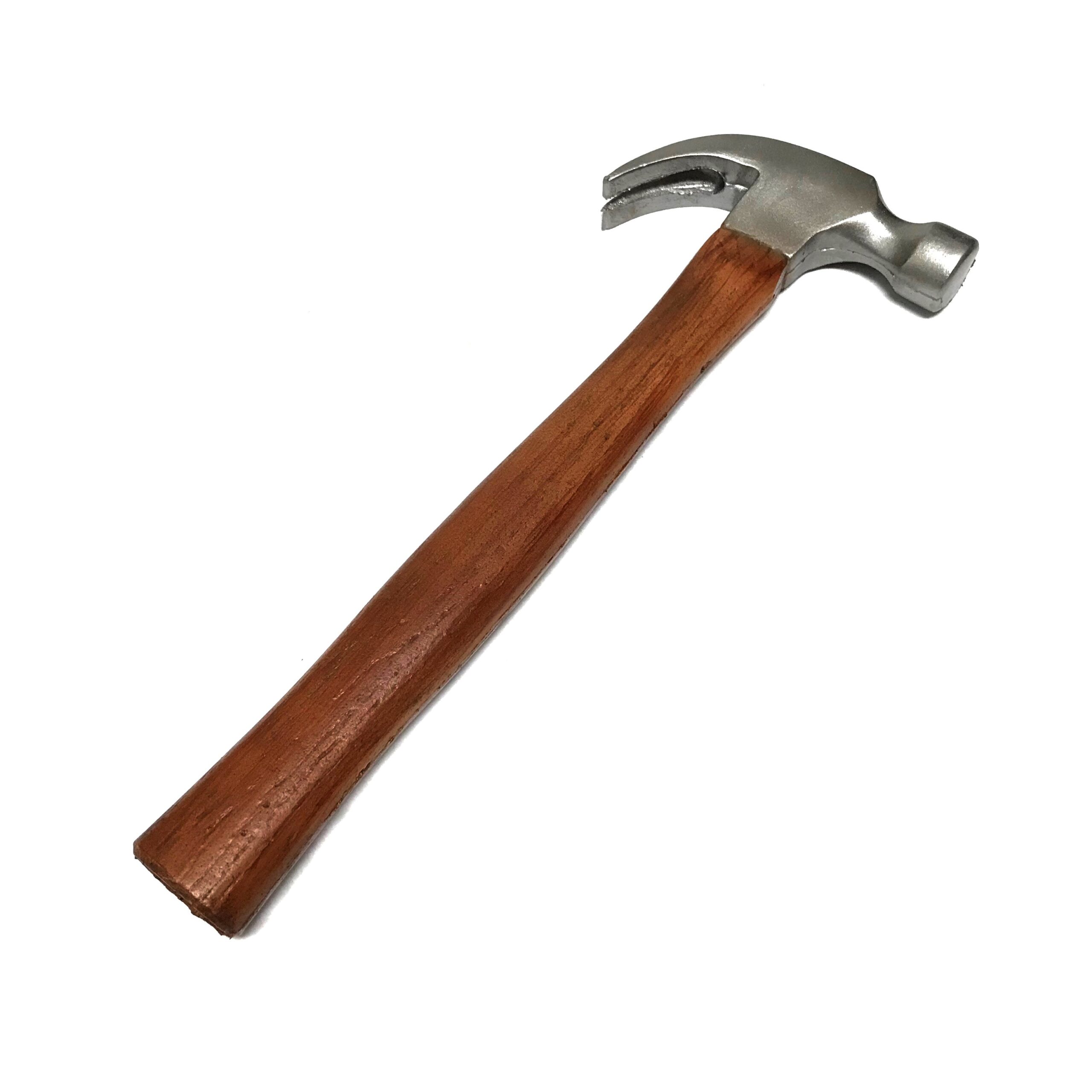
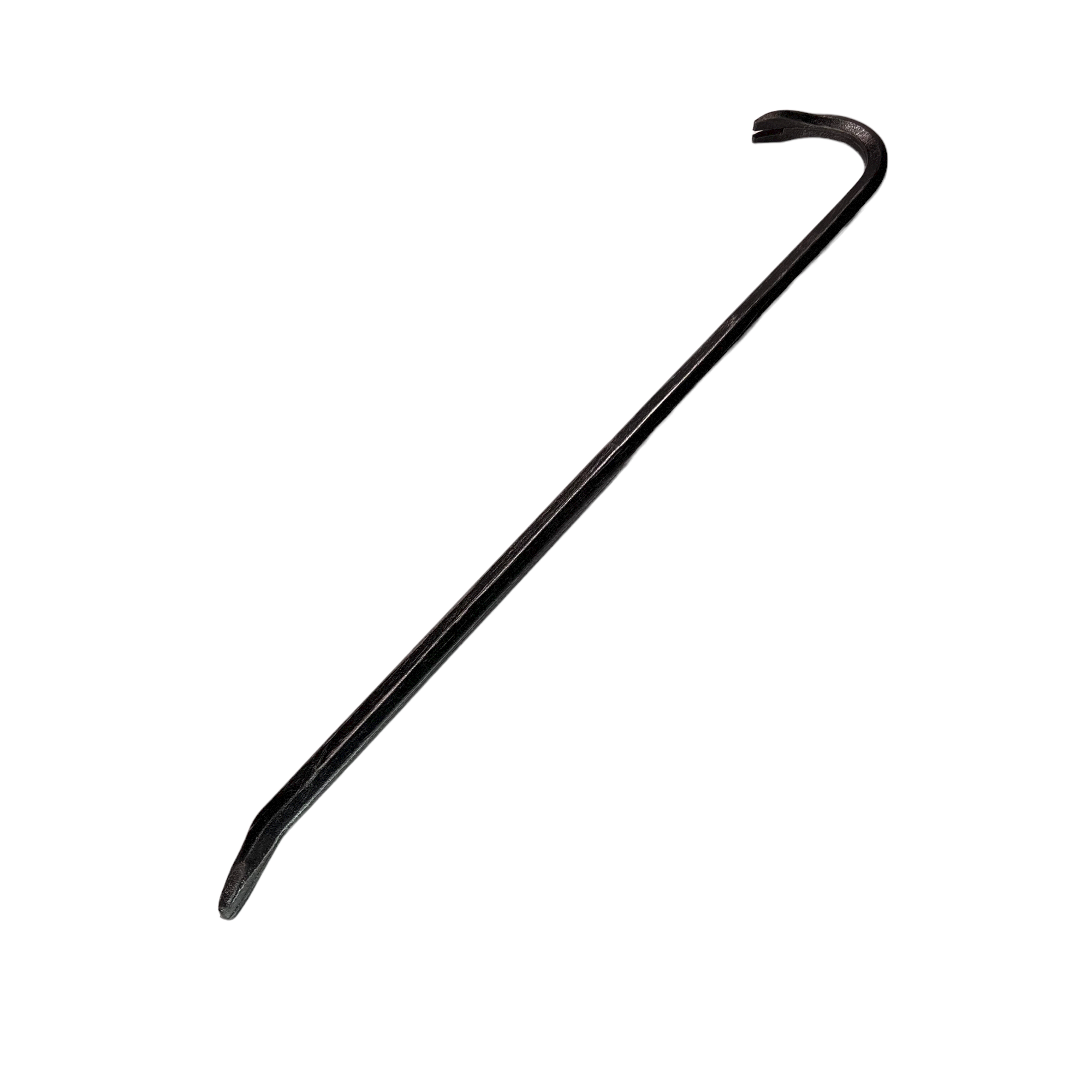
The most useful NewRuleFX foam and rubber items may be the ordinary tools. Hammers, crowbars, pipes, rebar, bats, and similar objects appear in thrillers, horror scenes, burglar setups, comedy fights, music videos, and training scenarios. They are visually familiar, which makes them powerful on camera. The audience knows what a crowbar or hammer means immediately. That also makes them risky if a production reaches for the real version. A foam rubber or rubber prop gives the director a way to stage proximity, movement, and reaction without relying on heavy metal.
The official product images for the foam rubber claw hammer and crowbar show the appeal of this category. They preserve recognizable shapes and surface cues while signaling that the object is intended for performance use. Buyers should still think carefully about shot distance. A soft prop may look excellent in motion or at medium distance, but a close macro shot might reveal texture differences. Many productions solve this by using a real or more detailed hero object for static inserts and a NewRuleFX foam or rubber version for action beats. That two-prop strategy is often more convincing than forcing one object to do every job.
Weapons and Training Props
NewRuleFX also lists a wide range of rubber and training-style weapons, including knives, swords, tactical items, foam blasters, axes, bats, and contact props. These categories require extra discipline from buyers. A prop that looks like a weapon can create legal, safety, and public perception issues even if it is made from foam or rubber. The official site’s prop release language is especially relevant for prop guns, long guns, batons, nightsticks, replica explosives, and munitions. Local laws and shipping restrictions can affect what can be purchased, transported, or displayed.
From a production standpoint, foam and rubber weapon props are best used in controlled environments where everyone knows the item is a prop. They can be valuable for fight choreography because performers can rehearse distance, timing, and reaction with an object closer to the final silhouette. But they are not a substitute for training. A soft knife can still strike an eye. A rubber bat can still cause pain if swung carelessly. A foam blaster can still trigger public concern if used in the wrong location. NewRuleFX provides the prop; the production provides the professional context.
Camera Realism: Where These Props Shine
Foam and rubber props are strongest when the audience understands the object through motion, silhouette, and context. A crowbar raised in shadow, a hammer sliding across a table, a bat held at the edge of frame, or a knife glimpsed during choreography can read very well if the prop has the right shape and color. NewRuleFX’s catalog gives buyers enough variety to choose objects that match genre and tone, from everyday tools to exaggerated sci-fi weapons. That is helpful because the wrong prop style can make a serious scene feel like a costume sketch.
The best results usually come from pairing the prop with smart filmmaking. Use lighting that supports the material. Keep the camera at a distance that sells the texture. Add sound design to restore weight. Let actors handle the object with purpose rather than waving it around. If an item is meant to be heavy, the performer’s body should show that weight even if the prop is light. If the item is meant to be dangerous, the scene should respect it. The realism is not only in the object; it is in the performance around the object.
Choosing Foam, Flexible Rubber, Hard Rubber, or Poly
NewRuleFX product names often include clues such as foam rubber, flexible foam rubber, solid rubber, hard rubber, poly, or training knife. Buyers should not treat those labels as interchangeable. Foam rubber is useful when softness and visual deception matter. Flexible rubber can support controlled contact or movement, depending on the item. Solid rubber may feel more durable and realistic in hand but can be less forgiving. Poly training props may be appropriate for drills but may not sell every camera angle. The right choice depends on whether the prop is seen, touched, swung, thrown, dropped, or used repeatedly.
A practical decision process helps. First, decide the maximum level of contact the scene allows. Second, decide how close the camera will be. Third, decide whether the prop needs to survive many rehearsals or only appear in one final take. Fourth, decide whether you need matching versions: a hero version for close-ups and a soft version for action. NewRuleFX’s catalog is broad enough that buyers can often build this kind of package, but it requires planning before checkout.
Durability and Rehearsal Value
One advantage of foam and rubber props over breakaway props is that many are reusable. That makes them valuable during rehearsal. A fight team can work timing with a soft bat or training knife before switching to a final camera version. A theater department can block scenes repeatedly without consuming a prop every night. A haunted attraction can create a safer visual environment for performers who repeat the same scare many times. Reusability can make a higher-quality prop more economical than a cheap item that deforms, looks fake, or creates avoidable risk.
Durability is still not unlimited. Foam can tear. Paint can scuff. Edges can wear. A bendable core can fatigue if abused. Props should be inspected, stored cleanly, and replaced when they no longer behave predictably. This is especially important for objects that will be used in contact choreography. A damaged prop can become more hazardous or less convincing. NewRuleFX buyers should treat prop care as part of production safety, not as an afterthought.
Best Buyers for NewRuleFX Foam and Rubber Props
- Indie filmmakers: useful for fights, threat beats, horror scenes, comedy impacts, and safer rehearsal versions of dangerous objects.
- Theater programs: helpful for repeatable blocking, controlled stage action, and departments that need props to last across rehearsals and performances.
- Commercial and content studios: strong for visual gags where an object needs to look real enough in motion but remain manageable on set.
- Training and force-on-force environments: relevant where clearly controlled prop weapons or tools are needed, subject to local rules and professional supervision.
- Haunted attractions: useful for close performer interaction where realistic silhouettes matter but hard objects can create unnecessary risk.
Limitations and Cautions
The main limitation is that foam and rubber props can lose realism in the wrong shot. A soft prop may bend when it should not. A rubber surface may reflect light differently than metal. A lightweight object may move too quickly unless the actor performs weight. Buyers should test items under actual lighting and at actual camera distance. If the item is crucial to the scene, consider buying or building a hero version for inserts and using the NewRuleFX soft version for contact and movement.
Another caution is public use. Any prop that resembles a weapon should be handled discreetly and legally. Do not display weapon-style props in public spaces without proper permits, location control, and communication. Even a foam or rubber item can create panic if observers do not know it is a prop. NewRuleFX’s catalog is meant for entertainment and training contexts, not casual public play. Responsible handling protects the production, the performers, and the supplier ecosystem.
Ordering Tips
Because the official site currently mentions longer delays for some items during post-fire rebuilding, buyers should confirm timing before relying on a specific prop for a locked shoot date. This advice applies to foam and rubber props just as much as breakaway items. If a key stunt depends on a particular hammer, bat, crowbar, or knife shape, order early. If you need multiple copies for rehearsal, backup, and final takes, do not assume one item will cover everything. If a prop is weapon-like, check whether release forms or local restrictions apply.
It is also useful to document why each prop is being purchased. The art department may care about appearance, the stunt team about softness, the director about camera effect, and the producer about cost. A short prop note can prevent confusion: which object is for close-up, which is for contact, which is for rehearsal, and which is backup. NewRuleFX gives buyers many options, and that is a strength, but options become useful only when the team labels them clearly.
Sound, Editing, and the Illusion of Weight
One reason foam and rubber props work so well in finished scenes is that the final image is not doing all the work alone. Sound design can add weight, sharpness, or menace that the soft object does not physically have. A rubber crowbar can feel heavier when the edit includes a metal scrape, a low impact sound, or a reaction shot timed correctly. A foam hammer can feel dangerous when the camera cuts before actual contact and the performer sells the recoil. Buyers should remember that the prop is part of a filmmaking system.
This matters for small productions because it keeps expectations realistic. You do not need the soft prop to look perfect from every angle. You need it to support the shot you will actually use. If the edit hides impact, if the sound restores mass, and if the actor handles the object with conviction, a NewRuleFX foam or rubber prop can be far more effective than its material suggests when viewed in isolation.
Storage and Maintenance
Soft props deserve careful storage. Keep them away from heat, sharp edges, heavy objects, and oils or adhesives that could damage the surface. Do not throw foam weapons and tools into a bin with real hardware. Label them, separate rehearsal pieces from camera pieces, and inspect them before each use. This simple discipline protects both safety and continuity. A scuffed or bent prop might still be fine for rehearsal, but it may no longer be the right choice for a close-up.
- Separate hero, rehearsal, and backup versions in storage.
- Photograph props before use so continuity can match later shots.
- Retire any foam or rubber item that no longer behaves predictably.
Final Verdict
NewRuleFX foam and rubber props are worth considering for productions that need believable action objects without relying on real tools or weapons. The catalog is deep, the category organization is practical, and the variety of tools, weapons, training pieces, and fantasy props gives buyers ways to match different genres. The products are especially appealing when used as part of a broader prop strategy: hero objects for detail, soft objects for contact, duplicates for rehearsal, and professional supervision for anything risky.
The verdict is positive with one important condition. These props should be treated as production tools, not safety shortcuts. Choose the material based on the scene, rehearse with qualified people, obey prop release and local-law requirements, and test the object on camera. Used that way, NewRuleFX can help filmmakers and stage teams create action that feels physical while keeping the workflow more controlled.