


Whatnot and trading cards are a natural match. Cards are visual, collectible, condition-sensitive, and emotional. A live seller can show a slab, inspect a raw card, rip packs, run auctions, host breaks, explain sets, and create a room where buyers feel the chase together. That makes Whatnot especially compelling for Pokémon cards, sports cards, trading card games, and card breaks. It also makes the platform risky for buyers who do not understand the difference between collecting, gambling-like excitement, entertainment, and actual expected value.
This Whatnot cards and breaks review is written for cautious collectors. The platform can be excellent if you know your category, follow trustworthy sellers, and treat breaks as entertainment unless the math is clear. It can be frustrating if you chase hits, overbid on raw cards, ignore condition, or buy into formats you do not understand. Cards are one of Whatnot’s strongest categories, but strength does not remove risk. It raises the need for discipline.
Ready to try it?
See the latest details on the official website.
Opens in a new tab.
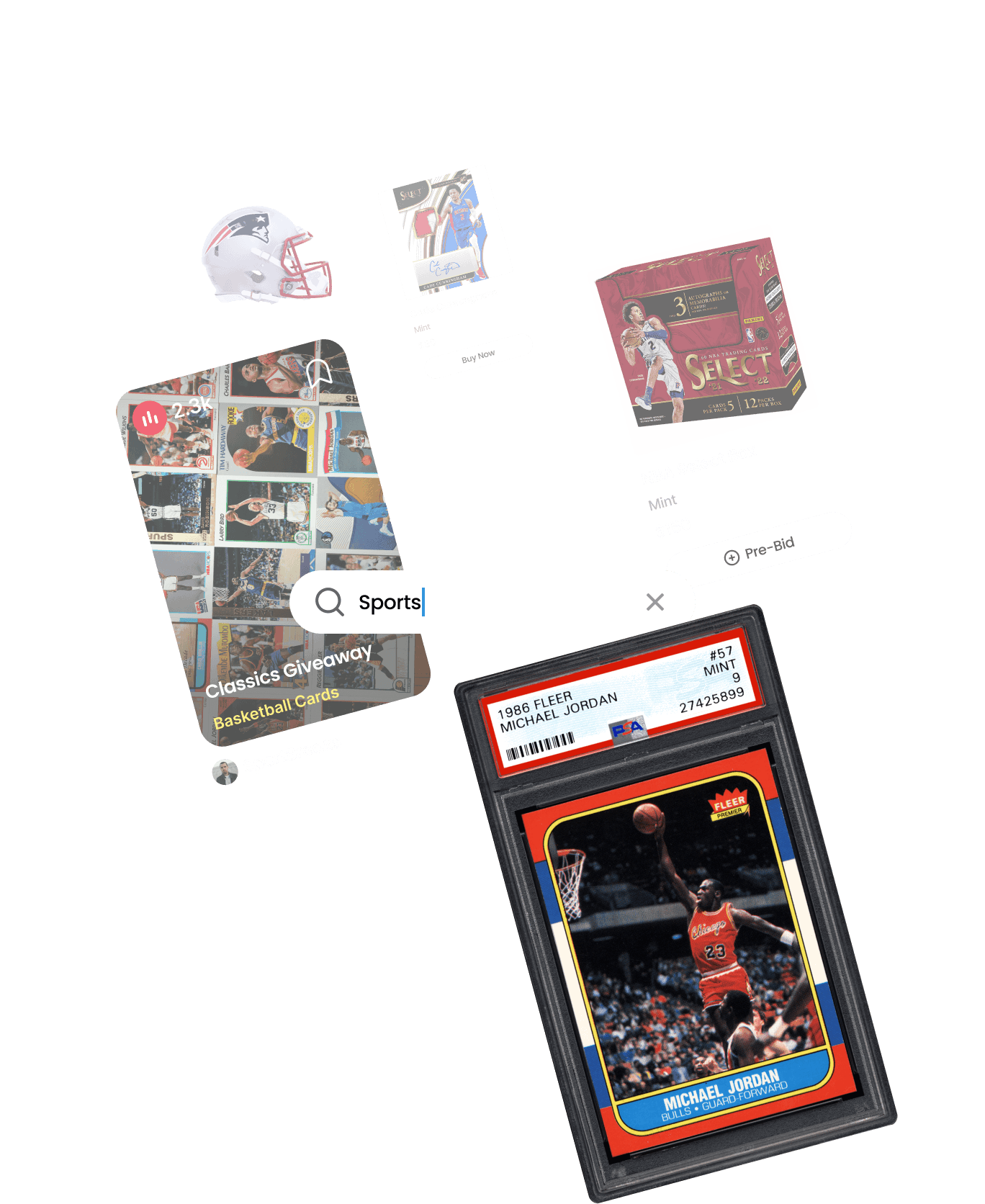
Why Cards Work So Well on Whatnot
Cards are built for live attention. A seller can show the front, back, corners, edges, centering, surface, grade, slab label, set, rarity, and recent context. Buyers can ask questions in chat. Other collectors can react. A good host can educate while selling. For raw cards, live video can be more useful than a few listing photos because the seller can angle the card under light and respond to condition questions immediately.
The community element is powerful too. Pokémon collectors, sports card collectors, and TCG players often enjoy the shared excitement of a pull or auction. A static listing does not create the same moment as watching a pack open live. That is why Whatnot can feel more fun than traditional marketplaces. The purchase becomes part of a show, and the show becomes part of the hobby.
The Break Format
A card break lets buyers purchase a spot in a live opening. Depending on the format, that spot may correspond to a team, pack, box, case, character, number, draft position, or other allocation method. When the product is opened, cards are distributed according to the rules. Some buyers love breaks because they make sealed product more social and allow participation without buying an entire box or case. Others dislike them because the result can be disappointing and the odds may not feel clear.
Before buying into any break, understand the rules completely. What product is being opened? How are spots assigned? What happens to unassigned cards? Are all cards shipped or only hits? Are there skunk protections or bonuses? What is the price per spot compared with the product value? Is the seller experienced and clear? If you cannot answer these questions, do not buy yet. Breaks are fun only when the rules are understood before money changes hands.
Raw Cards Versus Graded Cards
Raw cards require the most judgment. A seller may describe a card as clean, minty, or gradable, but grading is never guaranteed. The camera may not reveal every surface issue. Lighting can hide dimples, print lines, edge wear, or dents. If you are paying a premium because you hope a raw card will grade high, be conservative. The seller’s confidence is not a PSA or BGS result. Treat raw-card upside as possibility, not promise.
Graded cards are easier to evaluate in some ways because the slab provides a third-party grade, but buyers still need to check the cert, slab condition, recent comps, and whether the grade commands the asking price. Live auctions can push graded cards above comps if two buyers compete. That can be fine if the card is personal collection material. It is less fine if you are buying as an investment and ignoring market data.
Sports Cards and Pokémon Behave Differently
Sports cards can move with player performance, injuries, seasons, hype cycles, and population reports. Pokémon and other TCG cards often move with set popularity, nostalgia, competitive interest, rarity, artwork, and sealed product trends. Whatnot sellers may specialize in one category but not another. Buyers should not assume card knowledge transfers perfectly. A great sports seller may not be a great Pokémon seller. A Pokémon expert may not know modern basketball markets.
Follow sellers who specialize in the category you care about. Listen for specific knowledge. Do they know sets, conditions, comps, release context, and common issues? Do they explain when a card is off-center or has whitening? Do they understand sealed product? Expertise matters because cards are small objects with big value differences. The better the seller, the more useful the live format becomes.
Buyer Protection and Break Limitations
Whatnot’s buyer protection can cover missing, incorrect, damaged, counterfeit, not-as-described, or undelivered orders, but buyers need to pay attention to category deadlines. Sports cards and trading card games have shorter delivery-based windows than many general products. Breaks and other consumable formats may also have narrower refund eligibility. If a break does not hit the card you wanted, that is not the same as a missing or incorrect item. If the rules were followed, disappointment is part of the format.
This is why pre-purchase understanding matters. A buyer who reads the rules, watches the seller, and accepts the entertainment value is less likely to feel cheated by an unlucky result. A buyer who assumes every spot has investment upside may be disappointed quickly. Whatnot can make breaks exciting, but excitement does not change probabilities.
Smart Card Buyer Rules
- Check comps before bidding seriously on singles or slabs.
- Treat raw grade potential as upside, not guaranteed value.
- Understand every break rule before buying a spot.
- Favor sellers who show condition slowly and answer questions clearly.
- Open mail quickly and inspect cards within the buyer protection window.
- Separate entertainment spending from serious collecting or investing.
Final Verdict
Whatnot is one of the best live platforms for card collectors because the format matches the hobby. Auctions, pack openings, breaks, and seller commentary all feel natural in a live room. Good sellers can make collecting more educational and more fun. The app can also create overbidding, chase behavior, and confusion around breaks if buyers do not slow down.
My verdict is positive for knowledgeable collectors and cautious newcomers. Use Whatnot to discover sellers, watch openings, and buy cards you understand. Start small. Learn formats. Do not confuse entertainment with expected value. If you treat the app as a live hobby community with a budget, it can be excellent. If you treat every stream as a shortcut to big hits, it can become expensive fast.
A Final Note on Discipline
Card collecting has always mixed nostalgia, probability, scarcity, and competition. Whatnot intensifies all four. That is why a written budget matters. Decide how much money belongs to sealed product, singles, breaks, and pure entertainment. When the budget is gone, stop. The collectors who last are usually not the ones who hit once; they are the ones who can enjoy the hobby without letting every chase define the month.
Ready to try it?
See the latest details on the official website.
Opens in a new tab.
A Better Way to Budget for Cards
A card buyer on Whatnot should separate money into four buckets: singles, slabs, sealed product, and entertainment. Singles are for cards you specifically want. Slabs are for graded certainty, although price still matters. Sealed product is for opening or holding, depending on your hobby style. Entertainment is for breaks, low-cost auctions, and fun streams where the expected value may not be the reason you are there. Mixing these buckets creates confusion. You may justify a break as collecting when it is really entertainment, or overpay for a raw single because you imagine a future grade.
This budget separation makes Whatnot much safer. If you decide that breaks come from entertainment money, an unlucky result is easier to accept. If you decide that serious collection money only goes to singles or slabs with clear comps, you avoid chasing every live opening. The app becomes more enjoyable because each purchase has a purpose.
How to Judge a Card Seller
A good card seller is not only energetic. They show surfaces carefully, understand centering, disclose whitening, explain whether a card is raw or graded, and avoid promising grades. They know the difference between market value, personal collection value, and hype. They can explain break rules without confusion. They ship cards in protective materials. They do not make buyers feel foolish for asking condition questions. These details matter because cards are small, fragile, and value-sensitive.
A weak card seller often sounds confident but avoids specifics. They may call every card clean, every box loaded, every break a steal, and every raw card a grading candidate. That language may be entertainment, but buyers should translate it carefully. A seller can be fun without being precise. Precision is what protects your money. Follow the sellers who can do both.
Break Math in Plain English
Breaks are not automatically bad, but buyers should understand what they are buying. If a box costs a certain amount and spots sell for a total much higher than that, the difference pays for platform fees, seller margin, time, shipping, and entertainment. That can be fair. The buyer’s question is whether the price per spot makes sense for the chance and enjoyment. If you only care about expected value, many breaks will disappoint. If you care about shared excitement and accept the cost, breaks can be fun.
The danger comes when buyers remember the biggest hit and ignore the average outcome. A stream celebrates the best pull because that is exciting. It rarely spends equal time on the many ordinary outcomes. Keep your own math. If you cannot afford the average result, do not buy the spot. This rule will save more money than any single pricing trick.
Card Buyer Checklist
- Know recent comps before bidding above casual money.
- Ask to see raw-card backs and surfaces when condition matters.
- Do not treat seller grade predictions as guaranteed outcomes.
- Understand whether a break ships all cards, hits only, or follows special rules.
- Inspect mail quickly because card-category protection windows can be shorter.
- Stop chasing after a loss; the next auction is not a refund.
Long-Term Verdict for Card Collectors
Whatnot is legitimately strong for card collectors because it gives the hobby a live room. The app makes openings exciting, lets sellers teach, and helps collectors find communities. It can also turn chase behavior into a habit. The same live room that makes collecting fun can make spending feel normal. A strong collector uses Whatnot as one channel, not the only channel.
Use Whatnot for sellers you trust, live learning, and purchases that fit your budget. Use other marketplaces for comps and slower research. Use your own goals to decide whether you are collecting, investing, ripping for fun, or joining entertainment formats. The clearer your goal, the better Whatnot becomes.
The Final Question Before Joining a Break
Before joining a break, ask whether you would still be comfortable if your spot produced an average or below-average result. If the answer is no, the spot is too expensive for your budget or your expectations are too high. Breaks are most enjoyable when the buyer accepts the full range of outcomes before the product is opened.
For singles and slabs, ask a different question: would I buy this same card at this delivered price if it were sitting in a static listing? If the answer is no, the live room is probably influencing you more than the card itself. That awareness is the best protection a collector has.
That is the collector discipline Whatnot requires: enjoy the live room, but let your written price and format rules make the purchase decision.
Editor’s Practical Note
Cards and breaks are where Whatnot feels most like entertainment and least like shopping. That combination is what makes it fun and what makes it dangerous for your wallet. The collectors who do well here are the ones who set a weekly budget before opening the app, know the market value of what they are chasing, and treat breaks as a calculated gamble rather than a guaranteed return. If you would not pay the break price for the most likely outcome, you should not enter.
The card community on Whatnot is genuine, knowledgeable, and often generous with information. Lean into that. Ask questions in chat, follow sellers who educate rather than just hype, and build your collection with intention rather than impulse. A smaller collection built on smart purchases will always be worth more than a pile of random hits bought in the heat of a late-night stream.
More Whatnot Reviews on Tgtbuy
- How I Fell Down the Whatnot Rabbit Hole
- Whatnot Review 2026: Is This Live Shopping App Worth It?
- Whatnot Buyer Review: The Live Auction Experience
- Whatnot Seller Review: Is It Worth Selling?
- Whatnot vs eBay and Mercari: Where Live Shopping Wins
- Whatnot Shipping Review: Costs, Bundling & Delivery
- Whatnot Safety Review: Scams & Buyer Protection
- Whatnot Sneakers, Fashion & Luxury Review
- Whatnot 30-Day Review: What I Loved & What Annoyed Me
- Is Whatnot Legit? A First-Time Buyer Review